Ignoring worn tyres can lead to aquaplaning and sudden blowouts, putting your safety and journey at risk. This guide reveals seven crucial indicators—from checking legal tread depth to spotting internal damage—that signal when your tyres need replacing before a breakdown strikes.
We'll show you how to measure UK legal tread limits, recognise uneven wear, heed pressure warnings, spot vibration and noise clues, and detect slow punctures. Alongside expert explanations, mechanisms, and examples, you'll find practical steps and safety thresholds. For complete peace of mind, Tyre Runner's services offer clear price comparisons and proactive maintenance tips to keep you safely on the road.
How Do You Know If Your Tyre Tread Depth Is Below the Legal Limit in the UK?
Tyre tread depth refers to the grooves that help channel water away from the tyre's contact with the road. Insufficient tread means longer stopping distances, less grip in wet conditions, and a higher risk of aquaplaning. In the UK, the legal minimum tread depth is 1.6 mm across the central three-quarters of the tyre, but many experts recommend replacing tyres when the tread reaches 3 mm for enhanced safety.
| Measurement Method | Minimum Depth (mm) | Safety Benefit |
|---|---|---|
| UK Legal Limit | 1.6 | Meets statutory requirements |
| Recommended Replacement | 3.0 | Improves wet traction and braking |
| Tread Wear Indicator Bar | 1.6 | Visual cue for immediate replacement |
Getting professional tread checks at this stage ensures you're fully compliant and gives you peace of mind, bridging legal standards with preventative care. Next, we'll explore specific methods to verify these depths.
What Is the UK Legal Tyre Tread Depth and Why Does It Matter?
The UK legal tyre tread depth is 1.6 mm, measured across the central three-quarters of the tyre. This limit is crucial for maintaining sufficient water evacuation channels, reducing the risk of skidding on wet roads. Tests have shown that stopping distances can increase by over 40% when tread depth falls below this threshold.
Moving beyond legal definitions, let's look at a simple at-home check: the 20p test.
How to Perform the 20p Test to Check Your Tyre Tread Depth
Insert a 20p coin into a tread groove. If the outer band of the coin remains visible at any point, your tread depth is below 1.6 mm. Perform this test at several points around the tyre's circumference. Repeat this monthly to monitor wear and schedule replacements when needed.
Now that you've mastered the 20p test, let's examine the built-in wear indicators.
What Are Tyre Tread Wear Indicators and How Do They Signal Replacement?
Tread wear indicators are small, raised bars located within the grooves, set at a depth of 1.6 mm. When the tyre tread wears down to the same level as these bars, it means the tyre has reached its legal limit and must be replaced immediately to maintain road-holding capabilities.
Knowing the absolute legal limit is vital, but safety-conscious drivers often opt to replace their tyres sooner.
When Should You Replace Tyres Even If Tread Depth Is Above the Legal Limit?
Replacing your tyres when they have around 3 mm of tread offers a significant performance advantage. This can improve wet braking by up to 15% and reduce the risk of aquaplaning. This extra margin ensures safer handling in unpredictable UK weather, maintaining crucial grip when conditions suddenly deteriorate.
Ensuring your tread is in good condition is fundamental for safe driving. Equally important is examining the tyre's sidewalls for any signs of structural damage.
What Are the Common Signs of Tyre Sidewall Damage That Require Immediate Attention?
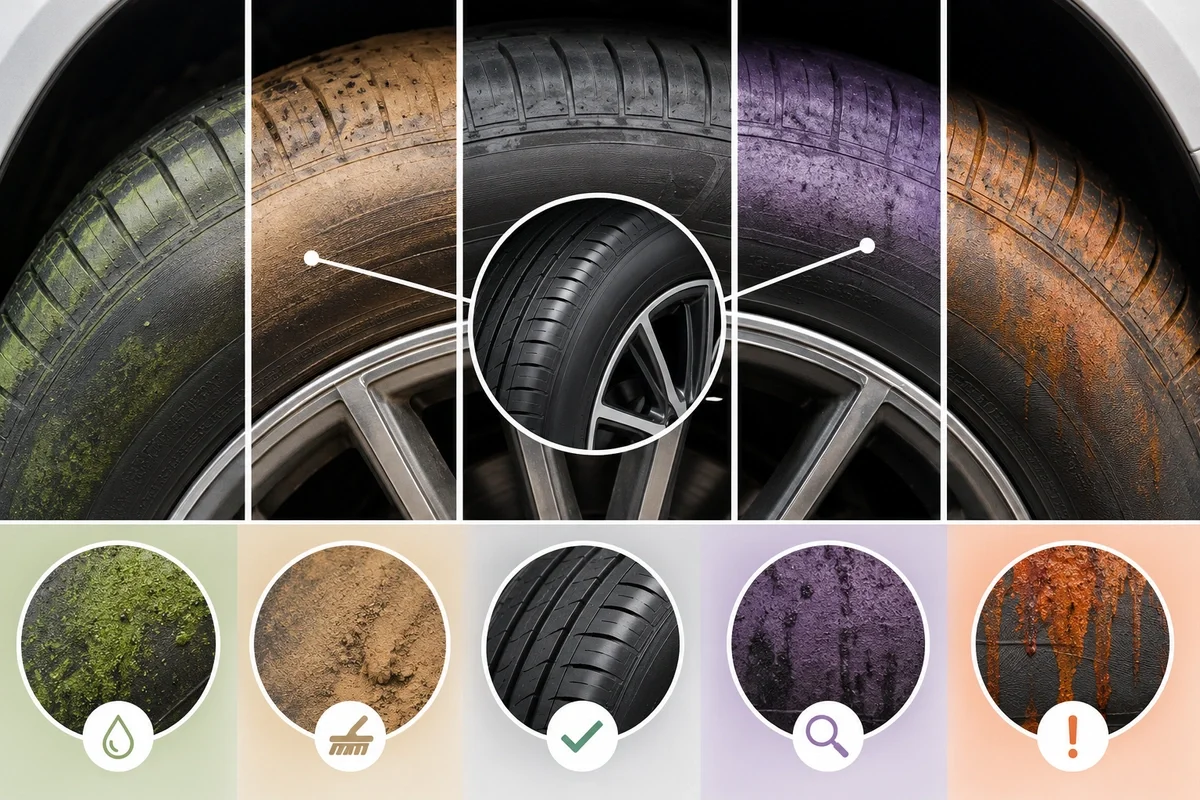
Tyre sidewall damage refers to any cracks, cuts, or deformations on the tyre's side. These issues compromise the tyre's structural integrity, increase the risk of a blowout, and affect handling precision. For example, prolonged exposure to UV rays and repeated impacts with curbs can cause rubber to crack, and these fissures can worsen under load.
Key signs of sidewall damage include visible cracks, bulges, blisters, and deep cuts. A professional inspection from Tyre Runner can assess the severity and recommend prompt tyre replacement or repair to prevent sudden failures.
How Do Sidewall Cracks Develop and What Risks Do They Pose?
Sidewall cracks typically develop due to exposure to ozone and UV light, constant flexing, and under-inflation. These tiny fissures can spread under pressure, potentially leading to a sudden loss of air. Cracked sidewalls weaken the tyre's internal structure and can compromise steering stability.
Why Are Tyre Bulges and Blisters Dangerous?
Bulges and blisters occur when the internal cords within the tyre separate, allowing air pressure to push the casing outwards. These hidden structural weaknesses can rupture unexpectedly, causing rapid deflation and a loss of vehicle control, especially at higher speeds.
How to Visually Inspect Your Tyre Sidewalls for Cuts and Deterioration
Park your vehicle on a level surface, clean the sidewalls, and carefully inspect for any linear cuts deeper than 1 mm, gouges that expose the cords, or widespread surface cracking. Rotate the tyres to ensure you inspect all sides. If any damage penetrates the rubber layer or forms raised patterns, arrange for immediate replacement.
When Should You Replace Your Car Tyres Based on Their Age?
Tyre ageing is a process where the rubber oxidises, hardens, and the reinforcing fibres gradually break down. Even with plenty of tread remaining, tyres older than five years can become less flexible, more prone to cracking, and offer reduced traction. Modern tyre compounds typically have a lifespan of 5–10 years.
How to Read Your Tyre’s DOT Code to Determine Its Age
The DOT code found on the tyre's sidewall concludes with a four-digit date stamp. The first two digits represent the week of manufacture, and the last two indicate the year. For instance, "3219" means the tyre was manufactured in the 32nd week of 2019. Regularly checking the age helps you plan for timely replacements.
What Is the Recommended Tyre Lifespan and Why Does Age Affect Safety?
Industry guidelines suggest replacing tyres after six years, irrespective of tread depth, due to rubber hardening and the development of microcracks. After ten years, the tyre's structural integrity can significantly degrade, increasing the risk of failure under load, even if the grooves still look good.
Can Old Tyres Be Unsafe Even With Good Tread Depth?
Absolutely. Aged tyres can lose their elasticity, which reduces their grip on wet surfaces, even if they still meet the legal tread depth requirements. Stiffened rubber struggles to conform to the road surface, leading to longer braking distances and less grip on uneven surfaces, particularly in colder weather.
How Can Uneven Tyre Wear Patterns Indicate Underlying Vehicle or Tyre Issues?
Uneven tyre wear often points to problems with tyre pressure, wheel alignment, or suspension. These issues cause premature and irregular abrasion of the rubber. Identifying these patterns early helps prevent accelerated tread loss, vibration problems, and compromised handling.
What Are the Different Types of Uneven Tyre Wear and Their Causes?
Feathering can be caused by incorrect toe settings in the alignment, centre wear by over-inflation, edge wear by under-inflation, and cupping by worn suspension components. Pinpointing the specific wear pattern quickly helps identify the necessary corrective actions.
How Do Incorrect Tyre Pressure and Wheel Alignment Affect Tyre Wear?
Under-inflated tyres put excessive load on the tyre shoulders, leading to rapid wear on the edges. Conversely, over-inflation causes the centre of the tread to wear down faster. Misaligned wheels cause the tyres to scrub laterally, resulting in uneven grooves and affecting steering feedback.
When Should You Seek Professional Wheel Alignment or Balancing Services?
If you notice wear patterns appearing at regular intervals around the tyre, or if you experience steering vibrations at speeds above 50 mph, it's time to schedule an alignment and balancing service. Professional adjustments restore even contact pressure and help extend your tyres' lifespan.
What Are the Warning Signs of Tyre Pressure Problems and Their Impact on Safety?
Correct tyre pressure is essential for distributing load, optimising fuel efficiency, and ensuring effective braking. Tyres that are either under- or over-inflated can overheat, leading to blowouts and reduced traction. A Tyre Pressure Monitoring System (TPMS) provides real-time alerts to help you maintain optimal inflation levels.
How Does a Tyre Pressure Monitoring System (TPMS) Alert You to Low Pressure?
TPMS sensors detect when tyre pressure drops below the manufacturer's recommended levels and activate a warning light on your dashboard. Some advanced systems even display the exact PSI, allowing you to adjust the pressure promptly before it significantly impacts safety.
What Are the Risks of Driving with Incorrect Tyre Pressure?
Under-inflation increases rolling resistance and generates excess heat, which reduces fuel economy and risks sidewall failure. Over-inflation creates a smaller contact patch with the road, decreasing braking efficiency and causing accelerated wear in the centre of the tread.
How to Check and Maintain Correct Tyre Pressure Regularly
Use a calibrated pressure gauge when your tyres are cold, and compare the readings to the PSI recommended by your vehicle manufacturer. Adjust the pressure using an air compressor and check them monthly. Consistently maintaining the correct pressure promotes even wear and optimal handling.
How Do Vibrations and Unusual Noises Signal Tyre Problems?
Vibrations and noises experienced while driving often stem from tyre imbalance, tread separation, or structural damage. Detecting these issues early can prevent accelerated wear and potential loss of control at higher speeds.
What Causes Steering Wheel Vibrations at Speed Related to Tyres?
An imbalance between the tyre and wheel assembly creates centrifugal forces that translate into vibrations felt in the steering wheel. Damaged tread or uneven chunking can amplify these forces, particularly above 50 mph, indicating a need for rebalancing or replacement.
How to Identify Whining or Thumping Noises from Tyres
A whining sound might suggest uneven tread patterns or internal belt separation, while a rhythmic thumping often points to a slow puncture or a bulge. Physically rotating each tyre can help pinpoint the source before a professional inspection is needed.
When Should You Book a Professional Tyre Inspection for Vibrations or Noises?
If vibrations persist even after adjusting tyre pressure, or if unusual noises continue after the initial driving miles, it's time to book a comprehensive check. Tyre Runner's diagnostic service will assess balance, alignment, and structural integrity to restore smooth, quiet performance.
How Can Frequent Air Loss or Punctures Indicate Tyre Replacement Is Needed?
Frequent loss of air pressure often signals sidewall damage or separating tread layers that cannot be safely repaired. Slow punctures not only reduce ride comfort and fuel economy but also pose a risk of sudden pressure loss on longer journeys.
What Are the Signs of Slow Punctures and How to Detect Them?
A gradual pressure drop of 2–3 PSI over a week, uneven deflation compared to the other tyres, or the presence of small embedded objects found during a visual inspection all indicate a slow puncture that requires prompt attention.
How Should You Respond to a Flashing Tyre Pressure Warning Light?
A flashing amber warning light typically indicates a sensor fault or a rapid loss of tyre pressure. Safely pull over, visually inspect your tyres, inflate them to the correct pressure, and monitor the warning light. If the warning persists, professional diagnostics are needed to check for leaks or replace faulty sensors.
When Is Professional Tyre Repair Possible and When Is Replacement Necessary?
Repairs are generally suitable for punctures located in the central tread area, provided they are no larger than 6 mm in diameter, and are carried out using industry-approved plug-and-patch methods. However, sidewall damage, bulges, or large tears are beyond safe repair limits and necessitate complete tyre replacement.
Addressing air loss and puncture signs promptly completes our seven-sign checklist.
Tyre tread integrity, structural soundness, age, and wear patterns all play a critical role in safety margins. Meanwhile, pressure management, performance anomalies, and leak detection guide essential maintenance decisions. Tyre Runner's professional tyre inspection and replacement services combine expertise with reliability, ensuring every indicator is assessed and resolved before a breakdown can occur.
Carry out a free tyre price comparison with Tyre Runner today or browse our selection of new tyres to maintain optimum grip and enjoy peace of mind on every journey.