More than 40% of UK drivers misunderstand tyre size codes, leading to suboptimal handling, fuel inefficiency and potential safety breaches. This guide debunks common tyre size myths to help you decode markings, spot misconceptions, comply with UK regulations, evaluate retread compatibility and understand TPMS effects. You will learn how width, aspect ratio and rim diameter work, why speedometer and performance myths persist, when new tyres should go on the rear axle and how TyreRunner.com simplifies comparing and booking the right tyres.
What Are the Key Tyre Size Markings and What Do They Mean?
Tyre size markings are alphanumeric codes that define width, aspect ratio and rim diameter, guiding correct tyre selection by ensuring safe fitment and optimal performance on your vehicle. Clear understanding of these dimensions enhances handling, ride comfort and compatibility with manufacturer specifications, paving the way for decoding load index and speed ratings.
How Do Width, Aspect Ratio, and Rim Diameter Affect Tyre Size?
The core elements of a tyre’s size determine its road contact, sidewall height and wheel compatibility.
| Dimension | Definition | Performance Impact |
|---|---|---|
| Section Width | Tyre’s cross-section in millimetres | Wider tyres increase grip but may raise rolling resistance |
| Aspect Ratio | Sidewall height as a percentage of width | Lower ratios improve handling at the cost of comfort |
| Rim Diameter | Wheel size the tyre fits, measured in inches | Exact match prevents bead damage and ensures proper seal |
Selecting the right combination of width, aspect ratio and rim diameter ensures balanced handling, ride comfort and wheel compatibility before moving on to weight and speed attributes.
What Is the Importance of Load Index and Speed Rating on Tyres?
Load index indicates maximum weight support, and speed rating defines safe top velocity; together they safeguard performance under load and speed demands.
-
Load index codes correspond to kilograms per tyre for proper support.
-
Speed ratings (letters) map to maximum safe speeds for high-speed stability.
-
Matching these values to your vehicle specifications ensures safety and legal compliance.
Accurate load index and speed rating align tyre capacity with driving conditions, leading seamlessly into sidewall code interpretation.
How Can You Read Tyre Sidewall Markings Accurately?
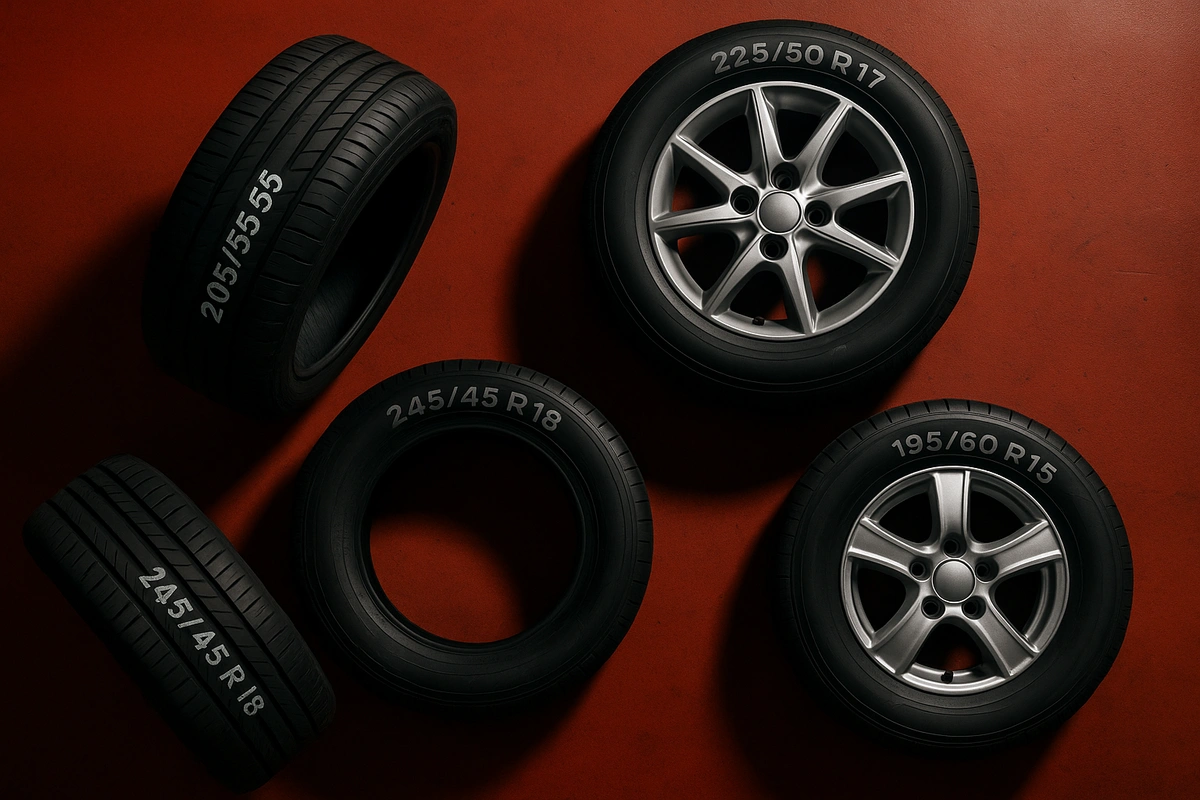
Reading sidewall markings accurately involves parsing each segment of the code in sequence to verify specifications. Follow these steps:
-
Identify the section width, aspect ratio and rim diameter (e.g., 205/55 R16).
-
Locate load index and speed rating (e.g., 91V).
-
Check additional symbols for tyre construction and performance features.
Proper decoding of sidewall codes helps you avoid misfits and prepares you for understanding common tyre size myths.
What Are the Most Common Tyre Size Myths and What Is the Reality?
Common tyre size myths are misconceptions about how dimension changes affect handling, speedometer accuracy and fuel efficiency; unmasking reality avoids safety risks and legal complications. Recognising these fallacies empowers drivers to make evidence-based choices.
Is It True That Bigger Tyres Always Improve Vehicle Performance?
No, fitting oversized tyres does not automatically enhance handling; it can compromise steering response and increase rolling resistance. Larger tyres raise the centre of gravity and alter suspension calibration, which may worsen cornering and braking. Understanding this reality stops unnecessary upgrades that degrade performance.
Does Changing Tyre Size Affect Your Speedometer Accuracy?
Yes, changing tyre size can affect speedometer readings by altering the overall circumference, causing speed miscalculations of up to 5%. A larger circumference under-reports speed, while a smaller one over-reports it. Correct tyre diameter prevents inaccurate speed display and ensures compliance with UK speed limits.
Can You Fit Different Size Tyres on the Same Vehicle Safely?
No, mixing different tyre sizes on a single vehicle can impair stability and may violate legal requirements. Uneven tyre diameters create differential rotational speeds, leading to drivetrain strain and unpredictable handling. Uniform sizing on all four corners preserves balance and traction consistency.
Do Incorrect Tyre Sizes Lead to Increased Fuel Consumption?
Yes, incorrect tyre sizes can increase fuel consumption by altering rolling resistance and aerodynamic drag. Wider or taller tyres demand more engine power to maintain speed, boosting fuel usage by up to 3%. Choosing manufacturer-recommended dimensions optimises economy and lowers running costs.
Impact of Tyre Size on Fuel Consumption
Using incorrect tyre sizes can increase fuel consumption due to increased rolling resistance and aerodynamic drag. Wider or taller tyres require more engine power to maintain speed, leading to higher fuel usage.
Energy Saving Trust, Tyre Pressure and Fuel Efficiency (2023)
This source supports the article's claims about the impact of tyre size on fuel efficiency and running costs.
How Does Tyre Size Impact Vehicle Safety and Legal Requirements in the UK?
Tyre size directly influences handling stability and compliance with UK safety standards, helping drivers avoid MOT failures and insurance penalties. Correct dimensions support grip, braking and legal adherence, forming the foundation for safe road use.
What Are the Safety Risks of Using the Wrong Tyre Size?
-
Uneven tread wear that reduces grip in wet conditions.
-
Increased risk of blowouts under heavy loads.
-
Degraded braking performance on curves and during stops.
Tyre Size and Vehicle Handling
Incorrect tyre sizes can negatively affect vehicle handling, potentially leading to reduced grip and compromised braking performance. This can be particularly dangerous in wet conditions, increasing the risk of accidents.
This source supports the article's claims about the safety risks associated with using the wrong tyre size.
Awareness of these hazards leads into understanding UK regulatory obligations.
How Do UK MOT and Insurance Regulations Affect Tyre Size Choices?
UK MOT regulations require tyres to match manufacturer-specified dimensions and tread depths to pass inspections, while insurance policies may be voided if tyres deviate from approved sizes. Key requirements include:
-
Minimum tread depth of 1.6 mm across three-quarters of the breadth.
-
No mismatched tyre sizes on the same axle.
-
Adherence to speed and load ratings stamped on the sidewall.
UK MOT Regulations and Tyre Compliance
UK MOT regulations mandate that tyres must match the manufacturer's specifications and meet minimum tread depth requirements to pass inspections. Failure to comply can result in an MOT failure and potential legal consequences.
Driver and Vehicle Standards Agency (DVSA), MOT Inspection Manual (2024)
This citation provides further information on the legal requirements for tyre size and tread depth, as discussed in the article.
Compliance with these rules prevents penalties and preserves coverage.
Where Should New Tyres Be Fitted on Your Vehicle for Optimal Safety?
Fitting new tyres to the rear axle enhances stability under braking and aquaplaning, even for front-wheel drive vehicles. Consistent rear traction reduces oversteer risk and maintains control, which is crucial before evaluating retread tyre compatibility.
What Are the Specific Myths About Retread Tyres and Tyre Size Compatibility?
Retread tyres are remanufactured casings that retain original dimensions, ensuring compatibility when sized correctly and offering cost-effective performance. Understanding their properties clarifies common misconceptions.
How Does Changing Tyre Size Affect TPMS and What Should You Know?
Some Tyre Pressure Monitoring Systems (TPMS) rely on sensors calibrated to specific wheel circumferences, so altering tyre size requires recalibration to maintain accurate pressure readings. Proper sensor alignment preserves alert reliability.
Why Does TPMS Require Recalibration After Tyre Size Changes?
TPMS sensors calculate pressure based on reference wheel circumference; changing tyre size alters sensor algorithms and demands recalibration for precise alerts. Without adjustment, sensor output will misrepresent actual pressure.
What Are the Consequences of Ignoring TPMS Calibration?
Ignoring TPMS recalibration can result in false warnings or missed pressure alerts, increasing risks of tyre damage, reduced fuel efficiency and potential safety incidents. Regular sensor servicing ensures dependable monitoring and peace of mind before final tyre selection.
Tyre size clarity prevents performance compromises and safety hazards while ensuring legal compliance. Confidently decoding markings, rejecting myths and following UK regulations empowers informed tyre choices. To compare prices and book professional fitting services, visit TyreRunner.com for independent advice and seamless tyre selection.