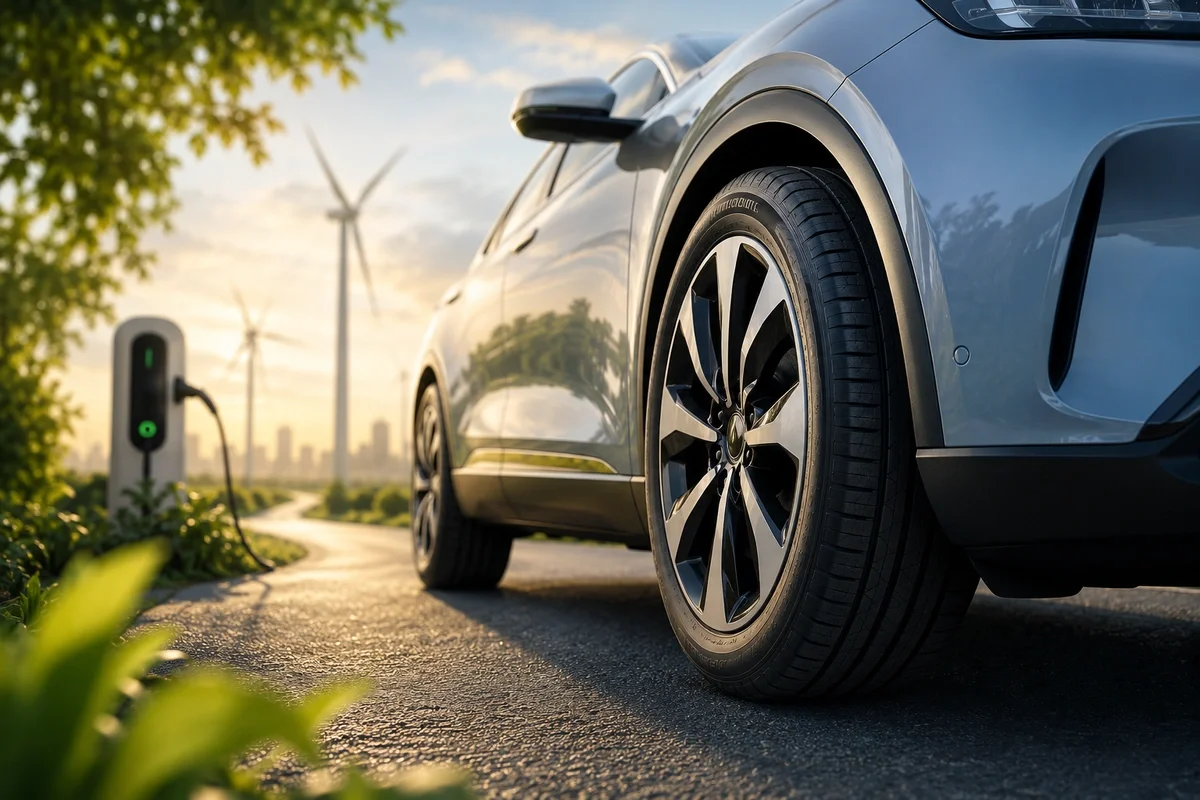
Do Electric Cars and Vehicles Need Special Tyres? EV Tyre Myths Debunked
Electric and hybrid cars have changed the way that we drive – but when it comes to tyres, there is a lot of confusion about what they need to perform at their highest level.
This guide simplifies all the complex jargon and gives you independent and unbiased advice.
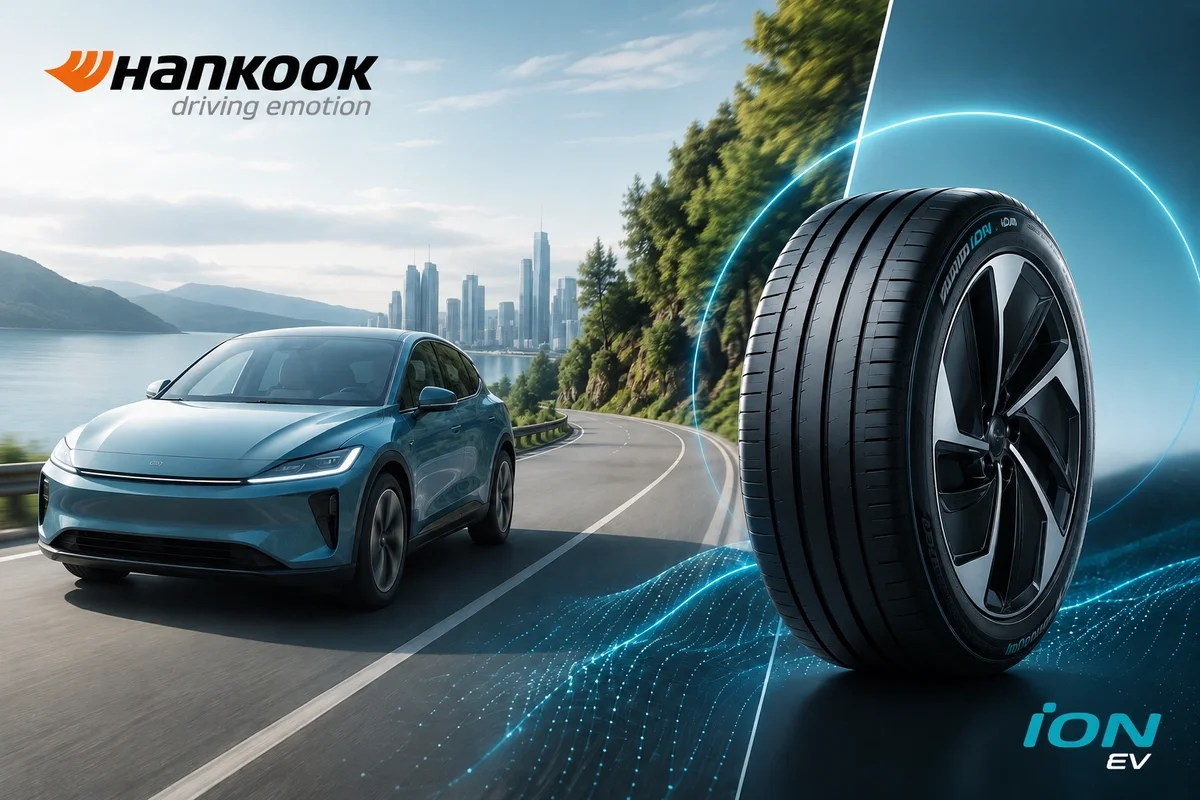
Myth 1: EV tyres are just a marketing gimmick.
This is probably the most common thing people hear when talking about EV tyres, and it’s understandable why people believe it. EV tyres at a glance looks much like any other regular tyre. But there are in fact differences other than just a different label.
Electric and hybrid vehicles deliver instant torque the moment you press the accelerator, so they move off faster and put more strain on the tyres than a petrol or diesel car that builds its power gradually. They are also near-silent, which makes road noise far more noticeable.
EV-specific tyres are engineered to answer both: tough construction and reinforced sidewalls to cope with that instant power, low-rolling-resistance compounds to protect efficiency, and often acoustic foam inside to keep the inside of the car quiet.
Myth 2: “Any tyre will do- an EV is just a car”
It’s true that fitting standard tyres to an EV isn’t illegal. But what is legal and what is ideal aren’t always the same thing.
Because EVs put down instant power and place different demands on a tyre, one that isn’t bult for the job cam wear out noticeably faster. Additionally, every vehicle has a specified load and speed rating- and the tyre that you fit must meet it. Fitting a tyre which doesn’t meet the manufacturers specification risks both inefficiency but also safety.
The takeaway: you don’t necessarily need a tyre labelled “EV”, but you also need one with the correct rating for your vehicle, built to handle the way an electric or hybrid car delivers its power.
Myth 3: “Low rolling resistance means less grip, so EV tyres are less safe.”
Although this myth has some truth to it, particularly when talking about non-EV tyres. EV tyres are designed to have specific compounds and tread patterns which do both jobs at once. Giving you both low drag that helps your battery go further and the traction you need for confident acceleration and, crucially, safe braking.
Myth 4: “EV tyres are too expensive to be worth it.”
There’s a grain of truth in this statement- EV specific tyres can carry a higher price tag than standard ones. However, the price tag is only half the story as in the long term, you could actually spend less.
Because they’re built to handle the demands of instant torque and to run efficiently, quality EV tyres often last longer under the same conditions. Add in the efficiency gains (more miles per charge, or better fuel economy on hybrid) and the maths suddenly means you are saving money with more expensive tyres. In many cases, the “expensive” option works out cheaper per mile.
It’s worth comparing the total cost, not just the upfront cost.
Myth 5: “EV tyres come with less tread when new, so you’re being short-changed”
Sharp-eyed drivers sometimes notice that a new EV or efficiency-focused tyre starts life with less tread than they expected- perhaps around 6mm rather than the 7.5-8mm they’re used to. Naturally, that raises a suspicion: am I paying more for less rubber?
In almost all cases, this design is deliberate, not a con. Deep tread flexes and heat up as it rolls, and that wasted energy costs you range and fuel economy. A shallower, stiffer tread lets the tyre run more efficiently, and manufacturers pair it with harder-wearing compounds. So less starting tread doesn’t automatically mean a shorter life.
It’s also worth knowing that new-tyre tread depth has never been standardised and that it varies by manufacturer, model, and tyre type. The number that matters the same on every tyre on the road is the legal minimum of 1.6mm and the 3mm sensible point of replacement shopping.
Myth 6: “All EV tyres are basically the same, so just pick the cheapest.”
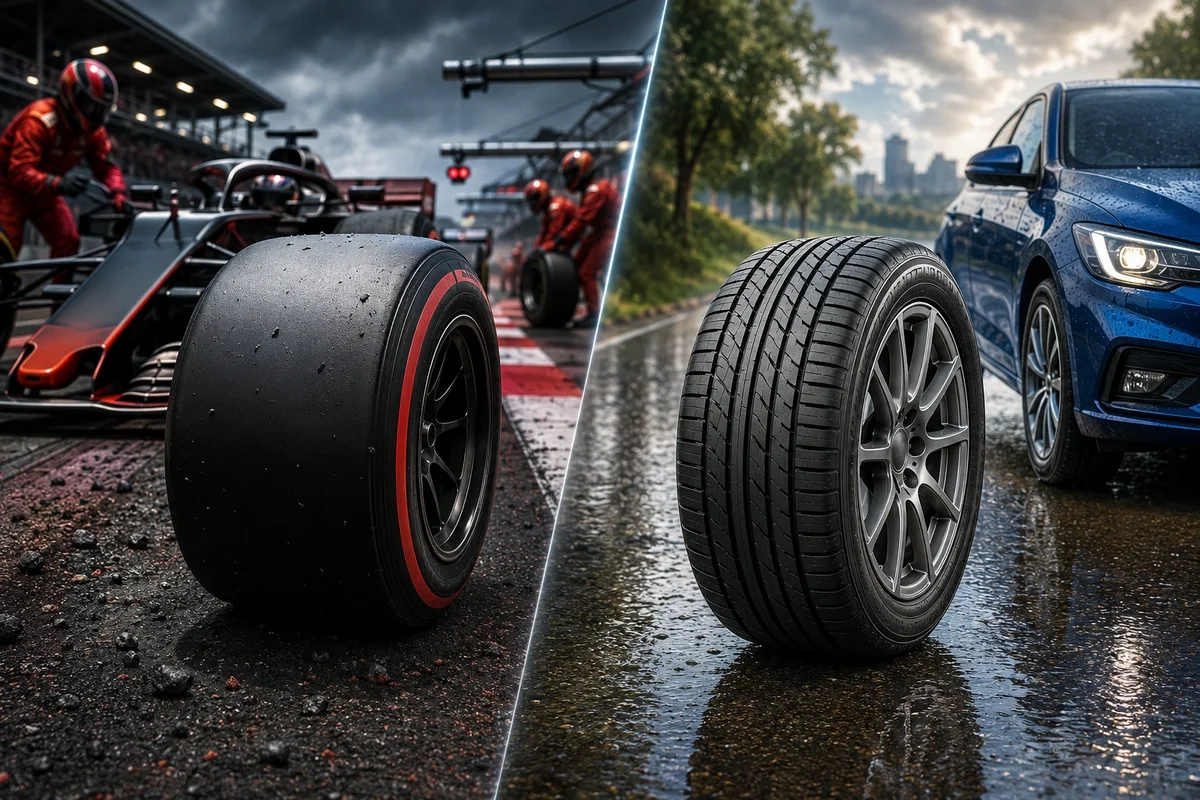
Not quite. Even within the EV and hybrid category, tyres are designed with different priorities. Some lean towards maximising range. Others prioritise grip and handling. Some are built for comfort and quietness, others for longevity.
The right choice depends on how and where you drive. A long-distance motorway commuter and city-based driver doing short, stop-start journeys have genuinely different needs. Picking purely on price ignores the tyre that would actually serve you best- which might cost you more in the long run.
Myth 7: “My EV wrecks tyres no matter what, so there’s no point in being fussy.”
It’s true that EVs can be harder on tyres- but that doesn’t make the choice unimportant.
The tyre you fit, the pressure to run, regular rotation, and your driving style all make a real difference to how long your tyres last. Fitting the right tyre for the job will get you far more life out of whatever you are driving.
The bottom line
For most EV and hybrid drivers, the priorities are simple: choose a tyre with the correct rating for your vehicle, match it to how you drive, and think in terms of cost per mile rather than the price on the label. Get those right and you’ll protect your wallet and more importantly your safety.
Thinking about your next set of EV or hybrid tyres? Compare options and find local fitting with Tyre Runner- independent advice, no brand bias.