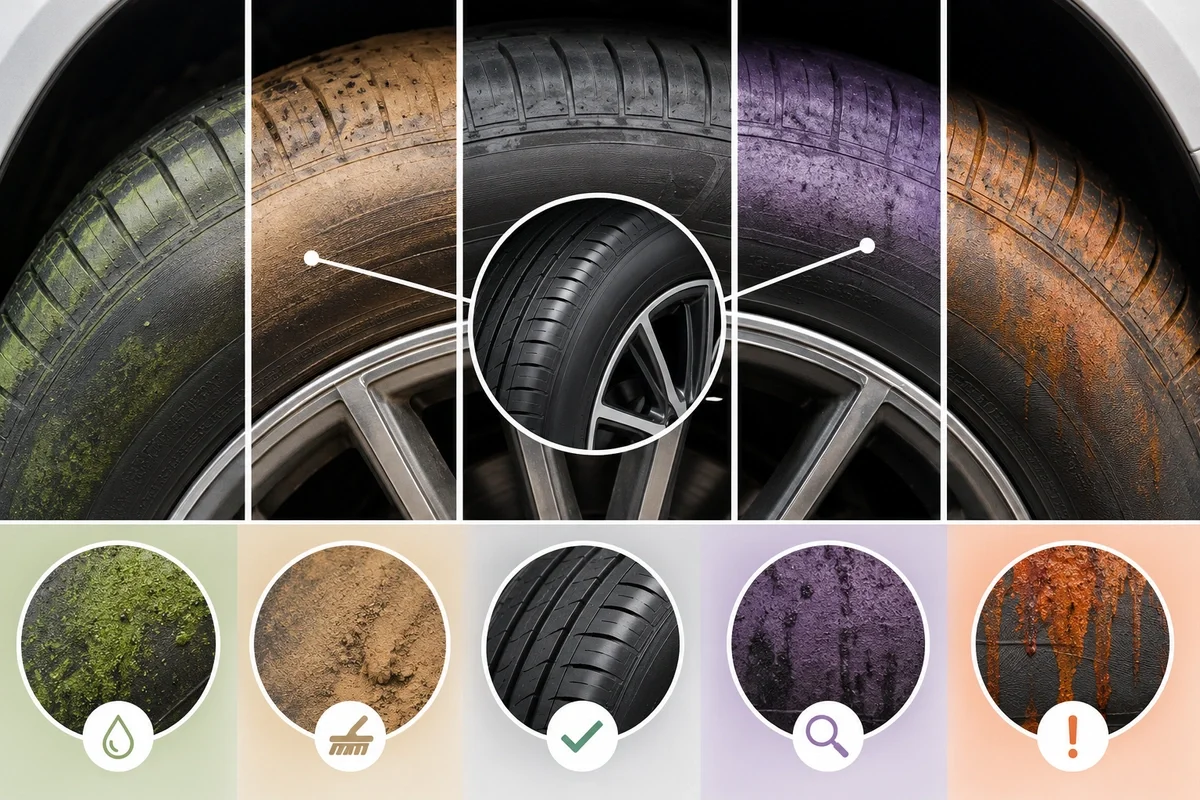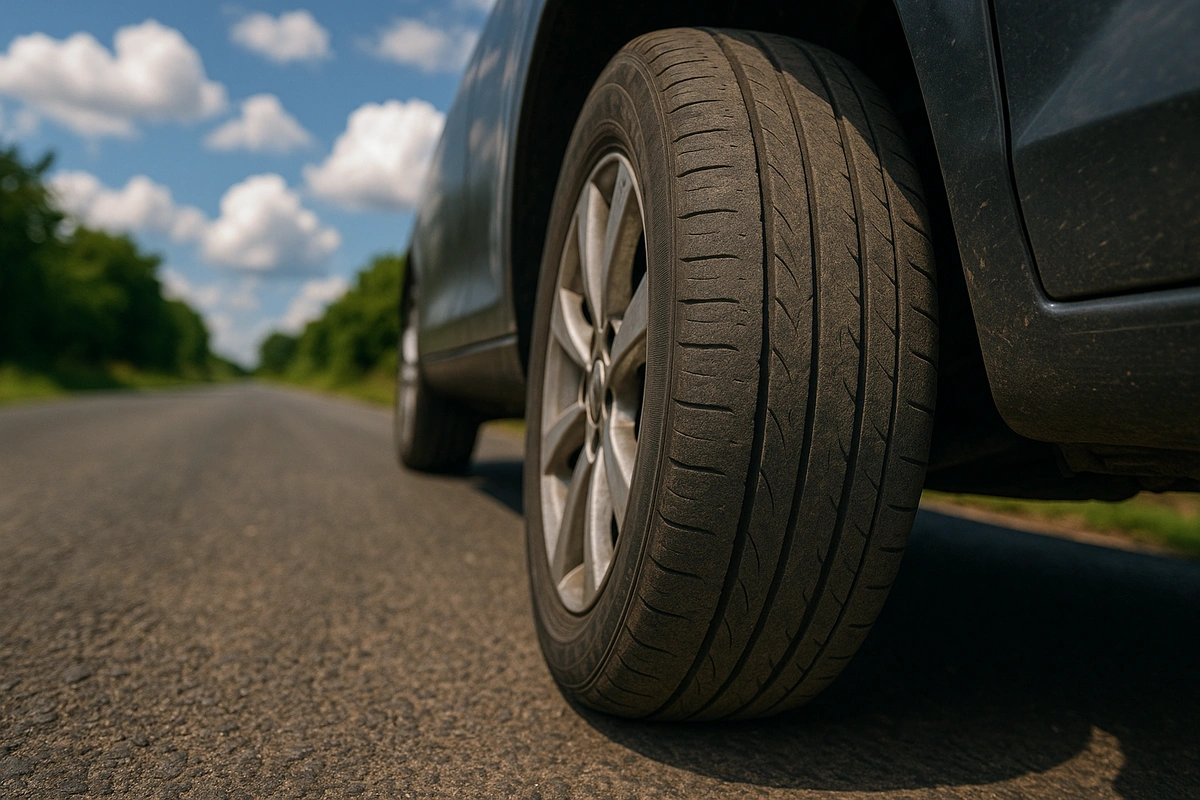
Worn tyres can turn every journey into a hazard, so knowing the signs when tyres need immediate replacement for safety reasons is vital for any driver. This guide explains legal and expert-recommended tread depths, visible damage cues, uneven wear diagnostics and additional replacement criteria. Readers will learn how to measure tread, spot sidewall defects, interpret wear patterns and recognise age-related risks—then act quickly to restore tyre safety.
What Is the Legal and Recommended Tyre Tread Depth for Safety?
Tread depth measures the grooves on a tyre surface, ensuring water dispersion and traction to improve braking performance and reduce aquaplaning risk. Maintaining adequate depth directly safeguards vehicle stability under wet and dry conditions.
What Is the UK Legal Minimum Tread Depth and Why Does It Matter?
The UK legal minimum tread depth is 1.6 mm across the central three-quarters of the tyre, which prevents hydroplaning and maintains grip on wet roads. Falling below this limit increases stopping distances dramatically and incurs fines or MOT failure.
Why Do Experts Recommend Replacing Tyres at 3 mm Tread Depth?
Experts advise a 3 mm minimum because deeper grooves halve wet braking distances and improve handling. Key benefits at 3 mm include:
-
Enhanced aquaplaning resistance through more effective water evacuation
-
Shorter stopping distances by up to 44% in wet conditions
-
Better cornering stability on uneven surfaces
Uneven braking and reduced control begin as tread approaches the legal limit, so a 3 mm threshold adds a critical safety margin.
Legal and Recommended Tyre Tread Depth
The UK legal minimum tread depth for car tyres is 1.6 mm across the central three-quarters of the tyre. Experts recommend replacing tyres at 3 mm to maintain optimal safety and performance, as this significantly reduces wet braking distances.
This information is crucial for understanding the legal requirements and expert recommendations for tyre safety, which directly relates to the article's focus on identifying worn tyres.
How Does Tread Depth Affect Braking Distance and Aquaplaning Risk?
A direct comparison of braking performance shows the safety gap between worn and healthier tread levels.
| Depth Level | Average Wet Stopping Distance | Aquaplaning Threshold |
|---|---|---|
| 3 mm (Expert) | 28 m at 50 mph | Resists aquaplaning up to 40 km/h |
| 1.6 mm (Legal) | 38 m at 50 mph | Aquaplaning risk begins at 30 km/h |
Maintaining 3 mm rather than 1.6 mm reduces wet braking distances by roughly 10 m and raises the speed at which water lift-off occurs.
How Can You Check Tyre Tread Depth Using the 20p Test?
Place a 20p coin into the main groove so that the outer band is hidden; if the band remains visible, the tread is below 2 mm and requires replacement. This simple method delivers instant feedback without specialist tools.
The 20p Test
The 20p test is a simple method to check tyre tread depth. If the outer band of the 20p coin is visible when inserted into the main tread groove, the tread is below 3mm and the tyres should be checked by a professional.
This provides a practical, accessible method for drivers to assess their tyre tread, supporting the article's guidance on identifying worn tyres.
What Are Tread Wear Indicators and How Do They Show Tyre Wear?
Tread Wear Indicators (TWIs) are raised bars moulded into grooves at 1.6 mm depth. When the tread surface aligns with these bars, the tyre has reached its legal limit and must be replaced to maintain safe grip.
What Are the Visible Signs of Tyre Damage That Require Immediate Replacement?
Any structural damage on a tyre compromises its integrity and calls for urgent replacement to prevent blowouts and loss of control.
How to Identify Sidewall Cracks and Perishing on Tyres?
Sidewall cracks appear as thin fissures running along the tyre flank, often caused by UV exposure or ageing rubber. These cracks signal weakening cords and increase the chance of sudden failure under load.
What Does a Bulge or Lump on the Tyre Sidewall Indicate?
A bulge or lump reveals internal cord breakage or separation of the tyre plies. This hidden damage cannot be repaired safely and demands immediate tyre replacement to avoid blowouts.
When Are Punctures and Cuts Repairable or Require Replacement?
Small punctures within the central tread area and under 6 mm in diameter can be professionally patched. Cuts on the sidewall or those exposing cords exceed repair guidelines and always require a new tyre.
Why Is Exposed Cord or Ply an Immediate Safety Hazard?
Visible steel or textile cords mean the protective rubber layer is gone, leaving the tyre structure unshielded. Any cord exposure dramatically raises the risk of rapid deflation and loss of vehicle control.
How Can Uneven Tyre Wear Patterns Help Diagnose Underlying Issues?
Uneven wear reveals mechanical or maintenance faults before they become critical safety concerns.
What Are the Effects of Underinflation and Overinflation on Tyre Wear?
Underinflation causes shoulder wear as the tyre flexes excessively, while overinflation leads to centre-only wear by reducing the contact patch. Both conditions compromise grip and fuel efficiency.
How Do Wheel Alignment and Balancing Problems Cause Uneven Wear?
Misaligned wheels produce feathering or one-sided wear, indicating incorrect camber or toe settings. Unbalanced tyres generate scalloped patches, felt as vibrations at speed and reducing tread life.
How Can Suspension Problems Lead to Premature Tyre Wear?
Worn shocks or struts fail to absorb road impacts, causing cupping or patchy tread wear. Addressing suspension faults restores even load distribution and prolongs tyre service.
What Driving Habits Contribute to Uneven or Premature Tyre Wear?
Aggressive cornering, frequent kerb impacts and pothole collisions concentrate stress on specific tread areas, accelerating wear and necessitating earlier replacements.
When Should You Replace Tyres Beyond Tread Wear?
Beyond groove depth, age, legal standards and insurance factors dictate tyre renewal for guaranteed safety.
How Does Tyre Age Affect Safety and When Should You Replace Old Tyres?
Tyre rubber hardens and degrades over time; DOT codes reveal manufacture dates. Replace tyres older than six years regardless of appearance, and never use those over ten years old to prevent cracking and loss of elasticity.
Tyre Age and Safety
Tyres should be replaced after ten years, regardless of appearance. Many experts recommend replacing tyres between five and six years from the manufacturing date. As tyres age, the rubber compounds undergo chemical changes, leading to reduced flexibility and increased stiffness, which can result in safety hazards.
This supports the article's advice on replacing tyres based on age, emphasizing the safety risks associated with older tyres.
What Are the MOT Failure Criteria Related to Tyres?
Tyres fail an MOT if tread is below 1.6 mm, if any part shows cord or ply, or if sidewall defects pose a structural risk. Meeting these criteria ensures roadworthiness and legal compliance.
What Are the Legal Penalties and Insurance Risks of Driving on Worn Tyres?
Driving on illegal tyres can incur fines up to £2,500, three penalty points per tyre and voided insurance cover in the event of an accident. Safe tyres protect both the driver and their financial liability.
MOT Tyre Rules
Tyres will fail an MOT if the tread depth is below 1.6mm, if there is damage to the sidewall such as a lump or bulge, or if cords or plies are exposed. These criteria are essential for ensuring roadworthiness.
This highlights the legal consequences of worn tyres, reinforcing the importance of regular checks and timely replacement as discussed in the article.
What Are the Benefits of Timely Tyre Replacement for Safety and Performance?
Replacing tyres promptly ensures consistent braking, reduced aquaplaning risk, better fuel economy and a smoother ride. Investing in new tyres reduces accident risk and long-term repair costs.
Regular professional inspection and fitting is key - consider a tyre fitting service by TyreRunner for expert replacement at your most convenient location.
Tyres that show low tread, structural damage, uneven wear or age beyond six years should be replaced without delay to maintain optimum safety. Adhering to legal limits and expert advice prevents accidents, fines and voided insurance cover. Consistent inspections and timely renewal safeguard vehicle performance and driver confidence on every journey.