Preparing your vehicle for winter hinges on understanding how temperature, snow and ice affect tyre performance and safety. With one in four UK vehicles running on defective tyres, mastering tyre maintenance for winter driving can prevent accidents and costly repairs. This guide debunks common myths about winter tyres, explains key performance differences, outlines essential maintenance steps, pinpoints the 7 °C rule for tyre changes, and details off-season storage best practices. Alongside expert advice on rubber compounds, tread patterns and inflation management, readers will discover how professional fitting services - such as those offered by Tyre Runner—enhance safety and convenience during seasonal tyre changeover.
Are Winter Tyres Really Necessary for Safe Winter Driving?
Yes, winter tyres deliver superior compound flexibility and tread designs that improve grip below 7 °C by maintaining pliability and evacuating snow and water effectively, which shortens braking distances on ice. This combination of softer rubber and specialised sipes enhances safety when roads freeze.
Winter Tyre Performance and Temperature
Winter tyres are designed to provide optimal performance when temperatures drop below 7 °C, as the rubber compound maintains elasticity in cold conditions, offering better grip and traction. This is because the rubber in standard tyres hardens, reducing grip, while winter tyres remain flexible.
This source explains the importance of winter tyres and how they perform in cold weather conditions.
What Makes Winter Tyres Different from Summer and All-Season Tyres?
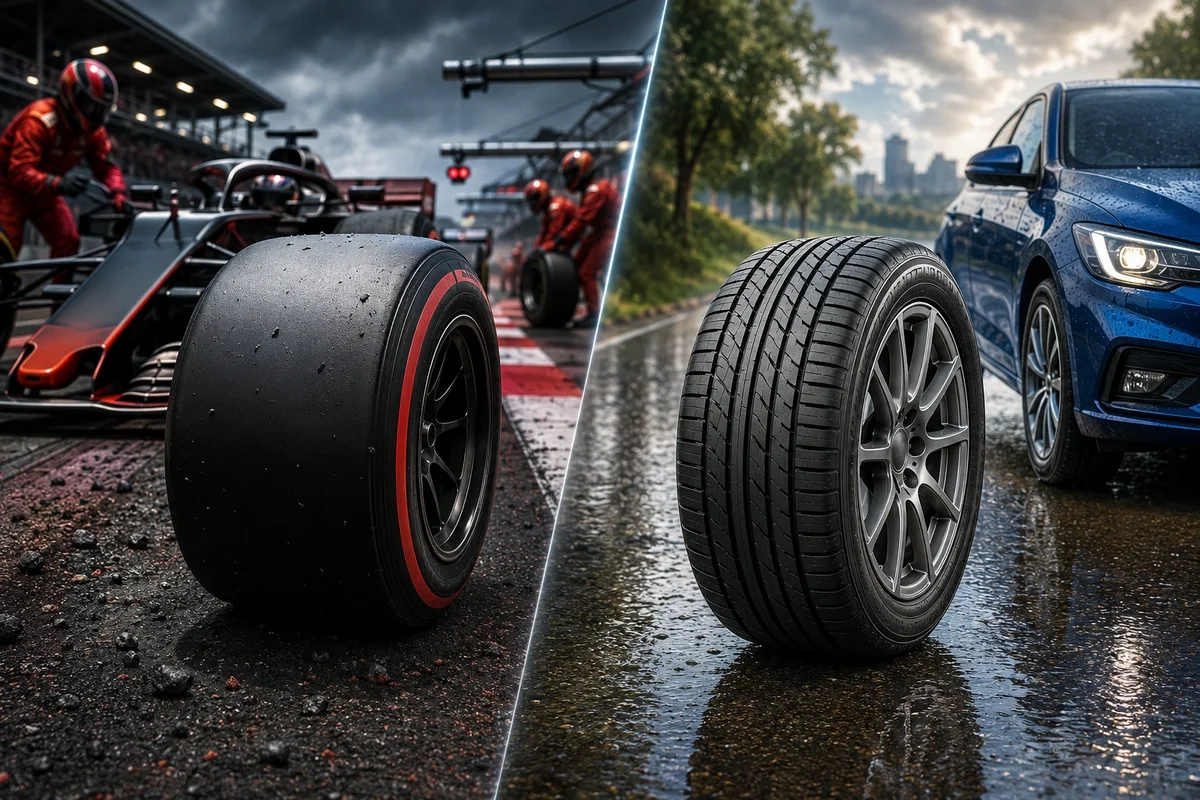
Winter tyres feature a specialised rubber compound and deeper, directional tread patterns with multiple sipes that maintain elasticity in cold conditions and channel slush away from the contact patch.
How Do Winter Tyres Improve Traction and Braking on Snow and Ice?
Winter tyres boost traction by up to 30 per cent and reduce stopping distances through wider grooves that expel slush and micro-sipes that bite into ice, ensuring steadier braking and better cornering.
Does Having a 4x4 Vehicle Remove the Need for Winter Tyres?
No, four-wheel drive aids acceleration but does not enhance braking grip on ice; winter tyres remain essential for safe stopping and precise handling in frozen conditions.
What Are the Most Common Myths About Winter Tyres and Their Facts?
Myths about tyre deflation, seasonal limits and cost often mislead drivers into unsafe practices, yet facts grounded in rubber science and tread dynamics show that proper winter tyre use and maintenance markedly improve road safety.
Does Deflating Tyres Improve Grip on Snow and Ice?
Deflating tyres undermines structural support and generates heat, which degrades grip rather than improving it.
-
Myth: Lower pressure increases footprint and traction in deep snow.
-
Fact: Underinflation causes excessive flex, uneven wear and reduced steering precision.
Can Winter Tyres Be Used All Year Round Without Issues?
Winter compounds are optimised for cold climates and soften excessively in warm temperatures, which accelerates wear and compromises handling on dry or wet summer roads.
Are Winter Tyres Too Noisy or Expensive Compared to Other Tyres?
Although winter tyres may carry a premium and emit marginally more road noise, their design prevents ice-related skids and extends tyre life during subzero months, offsetting initial cost and acoustic trade-offs.
Is Winter Tyre Use Only Necessary When There Is Snow?
Snow is not the only factor; temperatures consistently below 7 °C stiffen standard tyres, so winter tyres are crucial on cold asphalt to maintain grip even when roads appear clear.
How Should You Maintain Your Tyres for Optimal Winter Performance?
Effective tyre maintenance for winter driving combines systematic pressure checks, tread-depth monitoring, regular rotation, balancing and cleaning to preserve traction and structural integrity throughout harsh conditions.
Why Is Monitoring Tyre Pressure Important in Cold Weather?
Tyre pressure drops about 1–2 PSI for every 5.5 °C decrease, which reduces the contact patch and impairs handling; topping up to manufacturer specifications restores optimal performance and safety.
What Is the Recommended Minimum Tread Depth for Winter Tyres?
While UK law sets a 1.6 mm tread-depth minimum, maintaining at least 3 mm on winter tyres is generally recommended to ensure proper water and slush evacuation, sustaining bite and reducing hydroplaning risk.
Tread Depth for Winter Tyres
While the legal minimum tread depth in the UK is 1.6 mm, a minimum of 3 mm is recommended for winter tyres to ensure proper water and slush evacuation, reducing the risk of hydroplaning. Maintaining this depth helps sustain grip and driver confidence in challenging conditions.
Wyatt Dowling Insurance Brokers, The importance of tread on winter tyres (2020)
This source highlights the importance of tread depth for winter tyres and the recommended depth for safe driving.
| Tyre Category | Legal Minimum | Winter Recommendation |
|---|---|---|
| Winter Tyres | 1.6 mm | 3 mm |
| All-Season Tyres | 1.6 mm | 3 mm |
Deeper tread maintains consistent traction on ice and in slushy conditions, supporting driver confidence as temperatures fall.
How Often Should You Rotate and Balance Your Tyres During Winter?
Rotate tyres every 6,000 miles or at least every six months to even out wear, and balance them at each rotation to prevent vibration and ensure consistent road contact.
What Are the Best Practices for Cleaning and Inspecting Tyres Before Winter?
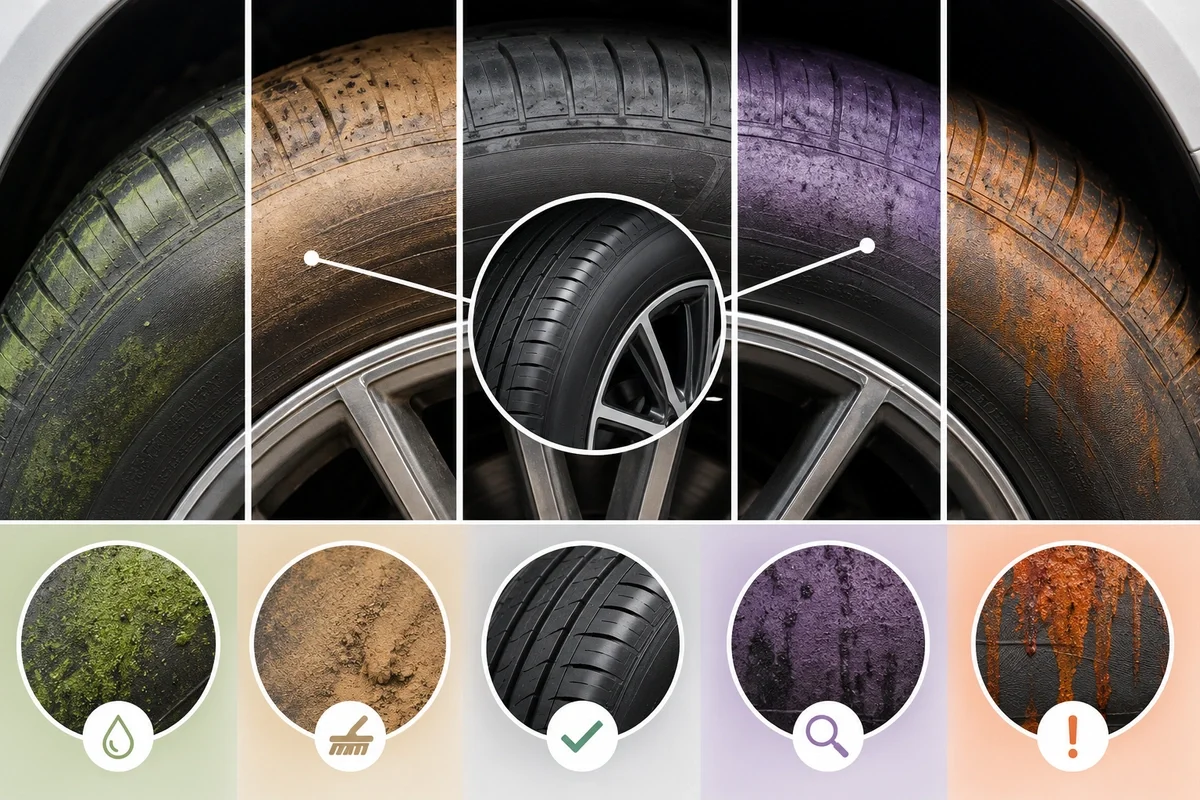
Clean tyres with mild detergent to remove grime and inspect sidewalls and tread grooves for cuts, bulges or embedded objects, addressing damage early to prevent mid-season failures.
When Is the Best Time to Switch to Winter Tyres According to the 7 °C Rule?
The 7 °C rule advises fitting winter tyres once average daily highs dip to 7 °C, in the UK that is generally late September, as standard rubber compounds lose flexibility and grip above that threshold, whereas winter compounds stay pliable.
Why Is 7 °C the Critical Temperature for Winter Tyre Use?
Below 7 °C, molecular stiffening of standard tyres increases hardness, cutting traction; winter compounds blend silica and oils to remain elastic and maintain shore softness for stable grip.
How Does Temperature Affect Tyre Rubber Compound and Grip?
Colder conditions harden conventional compounds by up to 20 per cent, reducing surface adhesion, while winter formulations lock in flexibility and deliver consistent traction on cold tarmac.
What Are the Recommended Months for Winter Tyre Installation in the UK?
For UK drivers, fitting winter tyres between October and March covers periods when temperatures reliably fall below 7 °C, safeguarding performance through late autumn frosts and early spring cold snaps.
What Are the Safe Storage and Handling Tips for Winter Tyres Off-Season?
Appropriate off-season storage prevents compound ageing and structural distortion, ensuring tyres remain ready for the next cold season.
How Should You Store Winter Tyres to Maintain Their Condition?
Off-Season Storage of Winter Tyres
Proper storage of winter tyres involves keeping them in a cool, dry, and dark place away from direct sunlight and ozone sources to prevent compound ageing and structural distortion. This helps maintain the tyre's integrity and ensures it is ready for the next cold season.
Nokian Tyres, How to safely store your tyres (2024)
This source provides detailed information on how to properly store tyres to extend their lifespan and maintain their performance.
| Storage Method | Primary Benefit | Ideal Condition |
|---|---|---|
| Vertical Positioning | Preserves round shape | Temperature-controlled room |
| Covered Storage | Minimizes UV exposure | Opaque tyre bags |
These measures prevent deformation and cracking, ensuring tyres deliver reliable performance from the first cold day.
When Should You Inspect Tyres Before Reinstalling Them Next Winter?
Perform a full inspection in late September, verifying tread depth, sidewall condition and inflation to confirm compliance with safety and legal requirements before refit.
End-of-season care and precise timing combine to deliver safe, reliable winter driving, whether on urban roads or icy rural routes.