Regular tyre rotations are your secret weapon for balanced tread wear, ensuring each tyre moves to a new spot. This simple step fights off uneven wear, keeps your grip consistent, and ultimately makes your tyres last longer. Beyond just extending tyre life, it sharpens your braking, smooths out your handling on any road, and can even boost your fuel economy. Plus, it’s a great chance to spot minor issues before they turn into major headaches. We’ll dive into what tyre rotation really means, why it’s a must-do, its top perks for longevity, safety, and efficiency, UK-specific timing, common rotation patterns, other essential tyre care, what Tyre Runner offers, and answer your burning questions. Get ready to drive with more confidence and save money on every journey.
What Exactly Is Tyre Rotation and Why Does Your Car Need It?
Tyre rotation is the strategic process of moving each tyre to a different position on your vehicle. The goal? To ensure they all wear down evenly. This means consistent traction and getting the absolute most out of your tyre investment. Without it, things like braking, cornering, and the weight of your engine can cause certain tyres to wear out much faster, leading to a premature need for replacements and a less secure drive.
How Does Rotating Your Tyres Stop Uneven Wear?
By swapping tyre positions – think front to back, and sometimes side to side – rotation redistributes the stress. This means wear from steering, acceleration, and braking gets shared across all four tyres. This balanced wear prevents any single tyre from becoming excessively worn, which keeps your car handling predictably and significantly reduces the risk of nasty surprises like blowouts or hydroplaning.
Understanding how rotation combats wear sets the stage for exploring why certain vehicles benefit even more.
What Causes Tyres to Wear Unevenly, and How Does Rotation Help?
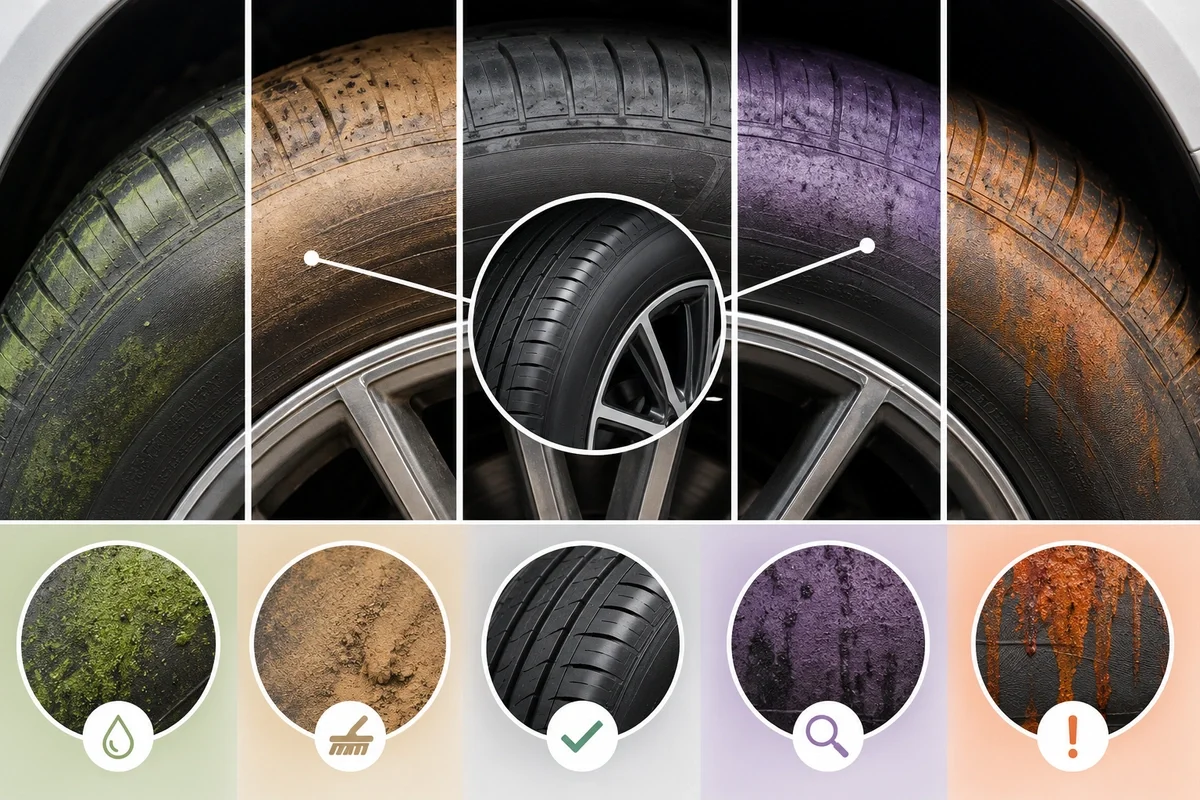
Things like underinflated tyres, misaligned wheels, sharp cornering, or even just the way your engine powers the wheels can lead to specific wear patterns – like scuffing on the inner edge, cupping, or a flattened centre tread. Rotation cleverly moves the tyres that are experiencing more stress to positions where they’ll face less, effectively redistributing friction and pressure. This equalises the tread depth, ensuring every tyre is pulling its weight when it comes to grip and braking.
Once you know what causes uneven wear, it’s easier to see which cars really need this service.
Which Cars Get the Biggest Boost from Regular Tyre Rotations?
Front-wheel drive cars often wear out their front tyres up to 20% faster because of the engine's torque and steering demands. Rear-wheel drive vehicles can see specific wear on their rear tyres from braking. All-wheel and four-wheel drive systems have their own unique torque distribution patterns. For these vehicles, rotating tyres every 6,000 miles or six months is key to maximising longevity and keeping performance balanced across all wheels.
Knowing how your car's drivetrain affects tyre wear naturally leads to thinking about how often you should actually be doing this.
What Are the Top Perks of Getting Your Tyres Rotated Regularly?
Regular tyre rotations are a win-win-win: they extend your tyres' life, boost your safety, improve your fuel efficiency, make for a more comfortable ride, and even help you catch potential problems early. When tyres wear evenly, they maintain optimal contact with the road, which means less rolling resistance, fewer vibrations, and consistently strong braking. Plus, the quick check that comes with a rotation is the perfect opportunity to spot alignment or suspension issues before they become costly repairs.
How Does Tyre Rotation Help Your Tyres Last Longer and Save You Cash?
By rotating your tyres every 5,000–8,000 miles, you ensure wear is spread evenly, preventing premature replacement. (telletire.com)
-
Keeping tread depth even means you're less likely to hit the legal limit (1.6 mm) sooner – potentially delaying replacement by up to 20%.
-
Balanced wear means you'll buy fewer sets of tyres over the life of your vehicle.
-
Avoiding uneven wear also cuts down on the risk of needing costly suspension repairs down the line.
Simply put, extending the usable life of your tyres translates directly into real money saved and fewer trips to the tyre shop.
In What Ways Does Tyre Rotation Make Your Car Safer and Handle Better?
Tyres that wear evenly provide predictable grip and can reduce stopping distances by as much as 10%. (telletire.com)
-
Consistent tread patterns are better at channelling water away, significantly lowering the risk of aquaplaning.
-
Balanced wear on both sides of the tyre improves stability when cornering.
-
A uniform contact patch ensures your steering remains responsive, even in wet or slippery conditions.
These safety enhancements build driver confidence and help prevent dangerous loss-of-control situations, especially when the weather turns tricky.
How Does Tyre Rotation Boost Fuel Efficiency and Cut Down on Costs?
Regular rotations keep the rolling resistance consistent across all your tyres, which can shave up to 3% off your fuel consumption. (tireworldutah.com) When each tyre is sharing the load equally, your engine doesn't have to work as hard to overcome drag, leading to better miles-per-gallon and lower overall running costs.
Fuel Consumption Testing: Tyre Rolling Resistance and Fuel Economy
ABSTRACT: The link between low rolling resistance tyres and fuel consumption is now well established and has been successfully modelled. Previous studies have shown that fuel savings can be predicted by an empirical law linking the difference in rolling resistance force to a difference in fuel consumption, whilst still accounting for the resulting engine efficiency change. However, accurately evaluating fuel savings in real-world conditions remains a crucial issue, as test uncertainty is generally close to the order of magnitude of the consumption difference. This paper proposes an analytical approach to measuring fuel economy. The test is conducted on an outdoor track using two identical vehicles at a single stabilised speed. The vehicle positions are measured by GPS devices and the absolute fuel consumption of each engine is measured with flowmeters. Specific attention is paid to numerous external parameters that influence fuel consumption, in order to minimise test dispersion.
Examples of Fuel consumption testing to verify the effect of tire rolling resistance on fuel economy, 2010
Can Tyre Rotation Lead to a Smoother Ride and Less Vibration?
When your tyres wear evenly, it significantly reduces the high-frequency vibrations that can travel up through your car's chassis. Balanced tread depth means less tyre imbalance, resulting in quieter, more comfortable journeys and less driver fatigue, especially on longer trips.
How Does Tyre Rotation Help You Spot Tyre and Car Issues Early?
Every tyre rotation service includes a thorough inspection of your treads, sidewalls, and wheel assemblies. Our technicians can spot:
-
Alignment problems, often indicated by uneven wear on the tyre shoulders.
-
Suspension issues, which can show up as cupping or scalloped wear patterns.
-
Imbalances that might be causing vibrations or irregular wear.
Catching these symptoms early means you can prevent costly breakdowns and keep your car's components in top shape for longer.
How Often Should You Get Your Tyres Rotated in the UK?
While manufacturer recommendations can vary based on your driving habits and how you load your vehicle, the general advice for UK drivers is to rotate your tyres every 5,000 to 8,000 miles, or roughly every six months. (alloylogic.co.uk) Sticking to a regular schedule ensures you rotate them before any uneven wear becomes a significant issue, maximising both safety and your wallet.
What Are the Recommended Mileage and Time Intervals for Tyre Rotation?
For most UK motorists, rotating your tyres every 6,000 miles or every six months is the sweet spot. Whichever comes first is the best rule of thumb. This interval strikes a great balance between keeping you safe, ensuring your car performs well, and saving you money, whether you're commuting daily or enjoying weekend drives.
Which Factors Mean You Might Need to Rotate Your Tyres More Often?
Your driving style, how much weight you carry, the types of roads you drive on, and even the specific tyres you have can all influence how quickly they wear:
-
Driving aggressively with rapid acceleration or carrying heavy loads will naturally wear down tread faster.
-
Navigating rough roads or frequent encounters with potholes can put extra stress on tyre sidewalls and lead to irregular wear.
-
Different tyre types, like summer versus all-season, will wear at different rates depending on the temperature and conditions.
By adjusting your rotation schedule to account for these variables, you can ensure your tyres stay in optimal condition for your specific driving needs.
How Do Car Manufacturers' Recommendations Impact Your Rotation Schedule?
Vehicle manufacturers usually provide specific tyre rotation guidelines in your car's service manual. These are based on your car's axle configuration, tyre design, and warranty terms. Following these manufacturer recommendations is crucial for keeping your tyre warranty valid and ensuring your vehicle performs exactly as intended.
What Are the Different Tyre Rotation Patterns, and Which One Is Right for Your Car?
Tyre rotation patterns dictate how your tyres are moved around the vehicle to address specific wear patterns. The best pattern for you depends on your car's drivetrain, the type of tyres you have, and how they're fitted. Choosing the right pattern is key to achieving the most even wear and extending your service intervals.
| Rotation Pattern | Suitable Drive Type | Key Characteristic |
|---|---|---|
| Forward Cross | Front-Wheel Drive | Front tyres move to opposite rear positions |
| Rearward Cross | Rear-Wheel Drive | Rear tyres move to opposite front positions |
| X-Pattern | Four-Wheel Drive | Diagonal swaps help balance wear on all corners |
| Directional/H-Swap | Directional Tyres | Front-to-back swaps on the same side |
| Side-to-Side | Staggered Fitment | Tyres swap sides without crossing |
Each pattern is designed to counteract the most common wear sources for its matched drivetrain and tyre setup, ensuring pressure is distributed effectively and your tyres last longer overall.
How Can You Keep Your Tyres in Great Shape Beyond Just Rotation?
To truly maximise tyre life and performance, combine regular rotations with consistent pressure checks, proper wheel alignment, and balancing. This comprehensive approach tackles all the common causes of uneven wear that rotation alone can't fully fix.
Why Are Keeping Your Tyre Pressures Correct So Important for Tyre Longevity?
The right tyre pressure ensures the tread makes even contact with the road, preventing wear on the centre or edges. Underinflated tyres increase rolling resistance and generate excess heat, while overinflated tyres put too much pressure on the centre tread. Checking your tyre pressure monthly is a simple habit that maintains the optimal footprint and significantly extends tread life.
How Does Wheel Alignment Affect Tyre Wear and Your Car's Safety?
When your wheels are misaligned, your tyres are forced to scrub sideways as you drive. This causes rapid wear on the tyre shoulders and compromises your car's handling. Getting your alignment checked and adjusted properly ensures each tyre is sitting at the correct angles, preserving their integrity and keeping you safe on the road.
What Role Does Tyre Balancing Play in Keeping Your Tyres Healthy?
Balancing ensures that the weight of your wheel and tyre assembly is distributed evenly around the axle. By eliminating heavy spots, it prevents vibrations that can speed up tread wear and put unnecessary strain on your suspension components. The result is a smoother ride and longer-lasting tyres.
What Are the Common Signs of Tyre Wear You Should Be Looking Out For?
Keep an eye out for:
-
Feathered edges on the tread blocks, which often signal misalignment.
-
Cupping or scalloped dips in the tread, usually pointing to suspension issues.
-
Bald patches or noticeably uneven tread depth, often caused by incorrect tyre pressure.
Spotting these symptoms early, alongside your regular rotation schedule, means you can take action promptly and keep your tyres – and your car – safe and performing at their best.
What Does a Professional Tyre Rotation Service at Tyre Runner Include?
At Tyre Runner, our professional rotation service combines expert inspection, precise balancing, and thorough inflation checks to give your tyres complete care in one visit. This comprehensive approach is designed to extend tyre life, ensure consistent performance, and give you complete peace of mind every time you drive.
How Does Tyre Runner Ensure Your Tyres Are Inspected and Balanced Professionally?
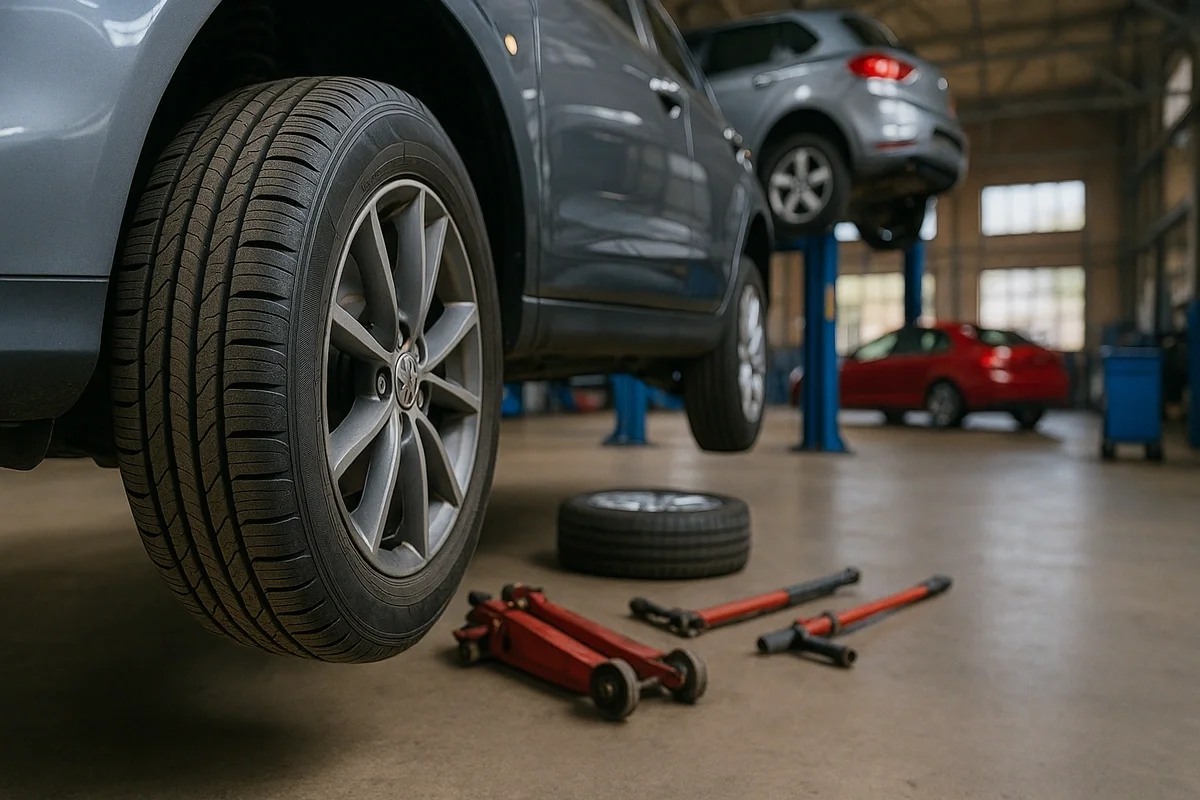
Our certified technicians start by meticulously examining your tyre treads, checking for any damage to the sidewalls, and looking for any cues that might indicate alignment issues. After swapping the tyre positions, we use dynamic balancing equipment to correct any imbalances in the wheel and tyre assembly. This ensures your tyres run perfectly true, without vibrations that can accelerate wear.
What Are the Typical Costs and Booking Options for Tyre Rotation in the UK?
You'll find our full tyre rotation service is competitively priced across the UK. The service often includes balancing and pressure checks as standard. Booking your appointment is easy – just head over to the Tyre Runner website or give your local service centre a call. We can provide tailored quotes and offer flexible time slots to suit your schedule.
Why Should You Choose Tyre Runner for Your Tyre Rotation Needs?
Tyre Runner stands out with clear, upfront pricing, highly skilled technicians, and an unwavering commitment to safety-focused maintenance. Our all-encompassing approach – covering rotation, balancing, and inspection – is designed to give you longer tyre life, more confident handling, and a lower overall cost of ownership for your vehicle.
What Are the Most Common Questions Drivers Have About Tyre Rotation?
Drivers often want to understand the basics of rotation, how often to do it, its key benefits, the different patterns available, and how it impacts fuel efficiency. Getting a solid grasp of these fundamentals helps you stay on top of your maintenance schedule and get the best performance from your tyres.
What Is Tyre Rotation and Why Is It Important?
Tyre rotation is the process of moving your tyres to different positions on your car at regular intervals to ensure they wear down evenly. This practice helps prevent premature tyre replacement, maintains consistent grip on the road, and supports optimal braking distances.
How Often Should I Rotate My Tyres?
Most UK guidelines suggest rotating your tyres every 6,000 miles or six months. However, if you drive aggressively or frequently carry heavy loads, you might need to do it more often.
What Are the Benefits of Regular Tyre Rotation?
Regular rotations can extend your tyres' lifespan by up to 20%, improve fuel economy by ensuring balanced rolling resistance, enhance vehicle safety through even tread wear, and provide a smoother ride by reducing vibrations.
What Are the Different Tyre Rotation Patterns?
Common patterns include the forward cross for front-wheel drive cars, the rearward cross for rear-wheel drive, the X-pattern for all-wheel drive, directional tyre H-swaps, and side-to-side swaps for staggered fitments.
Can Tyre Rotation Improve Fuel Efficiency and Safety?
Absolutely. Rotation helps maintain uniform tyre pressure distribution, which reduces rolling resistance and improves grip, especially in wet conditions. This combination leads to better fuel economy and enhanced braking performance.
Regular tyre rotation is one of the most cost-effective ways to safeguard your vehicle's safety and manage your motoring expenses. By sticking to recommended intervals, choosing the right rotation pattern for your car, combining rotation with essential checks for pressure, alignment, and balancing, and trusting professional services like those at Tyre Runner, you can ensure longer tyre life, better control, and greater confidence on every drive.
In essence, making tyre rotation a regular part of your car's maintenance plan doesn't just extend the life of your tyres; it optimises your car's safety, efficiency, and comfort, delivering a smarter, more reliable driving experience overall.