Each year, countless vehicle owners grapple with tyres that age prematurely and develop flat spots thanks to avoidable storage slip-ups. Mastering the art of tyre storage keeps your rubber in prime condition, ensures dependable grip, and stretches out the life of your treads. This guide zeroes in on the most common errors in how you position, clean, and inflate your tyres; it dives into how heat, dampness, UV rays, and ozone mess with stored tyres; it lays out the prep steps like cleaning, checking, and setting pressures; it covers the best ways to store them, the gear you'll need, and what to consider for different seasons; it shows you how to get a grip on your storage environment; and it wraps up with essential tips to protect your investment. We'll also sprinkle in some pro insights and suggest handy storage accessories to help you keep your tyres in great shape and cut down on replacement expenses.
What Are the Most Common Tyre Storage Mistakes to Avoid?
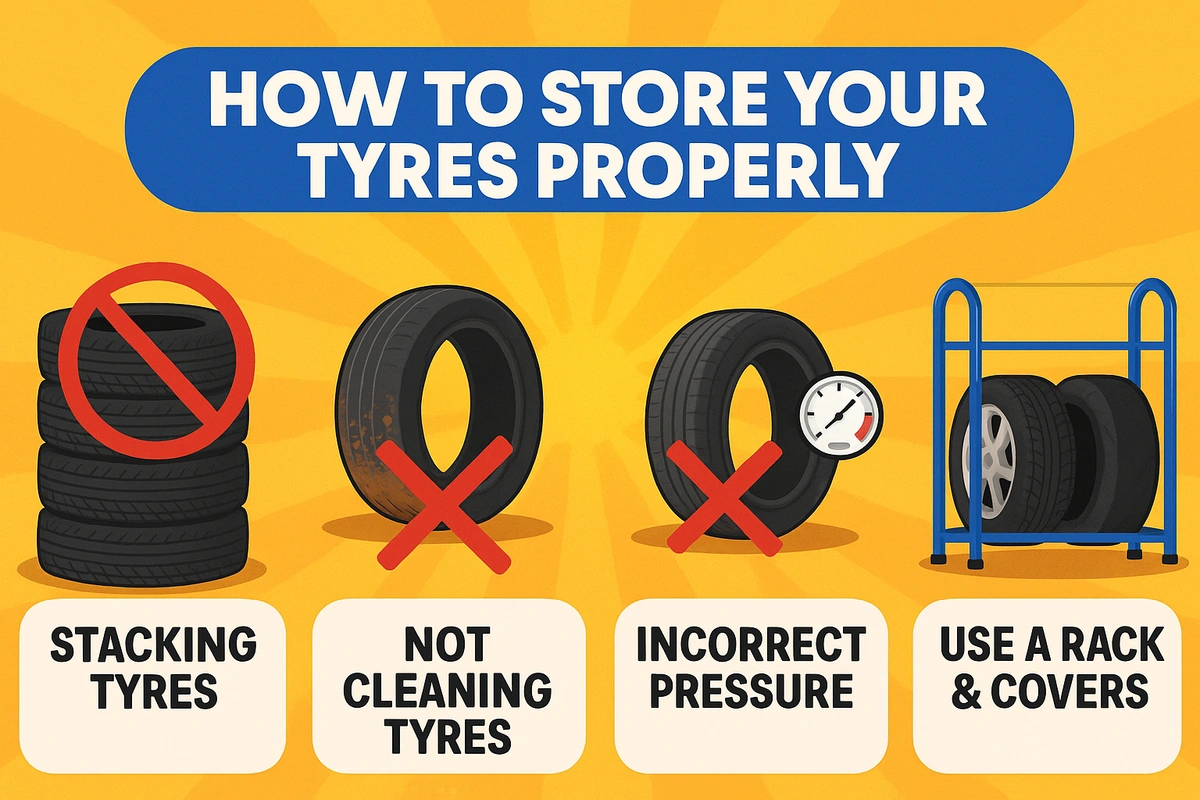
Typical tyre storage errors involve practices that speed up rubber breakdown, cause misshaping, and compromise safety. By spotting these blunders—like putting them in the wrong spot, skipping the clean-up, or getting the inflation wrong—you take charge of the factors that extend tyre life, minimise flat spots, and stop cracking before it starts.
-
Stacking or mounting tyres the wrong way
-
Forgetting to wipe off dirt, brake dust, and chemicals
-
Leaving tyres at whatever pressure they happen to be without checking
Steering clear of these mistakes directly boosts tyre performance and how long they last, setting the stage for understanding how the environment plays a role in storage.
How Does Improper Tyre Positioning Cause Damage?
Putting tyres in the wrong spot causes damage by concentrating weight unevenly, leading to bulges in the sidewalls, flat spots, and permanent distortion. When tyres are stacked too high or left mounted without being rotated, pressure points develop and the rubber's "memory" shifts, weakening the structure and potentially messing with handling. Getting the orientation right spreads the load evenly and keeps the tyre nice and round.
Why Is Neglecting Tyre Cleaning Before Storage Harmful?
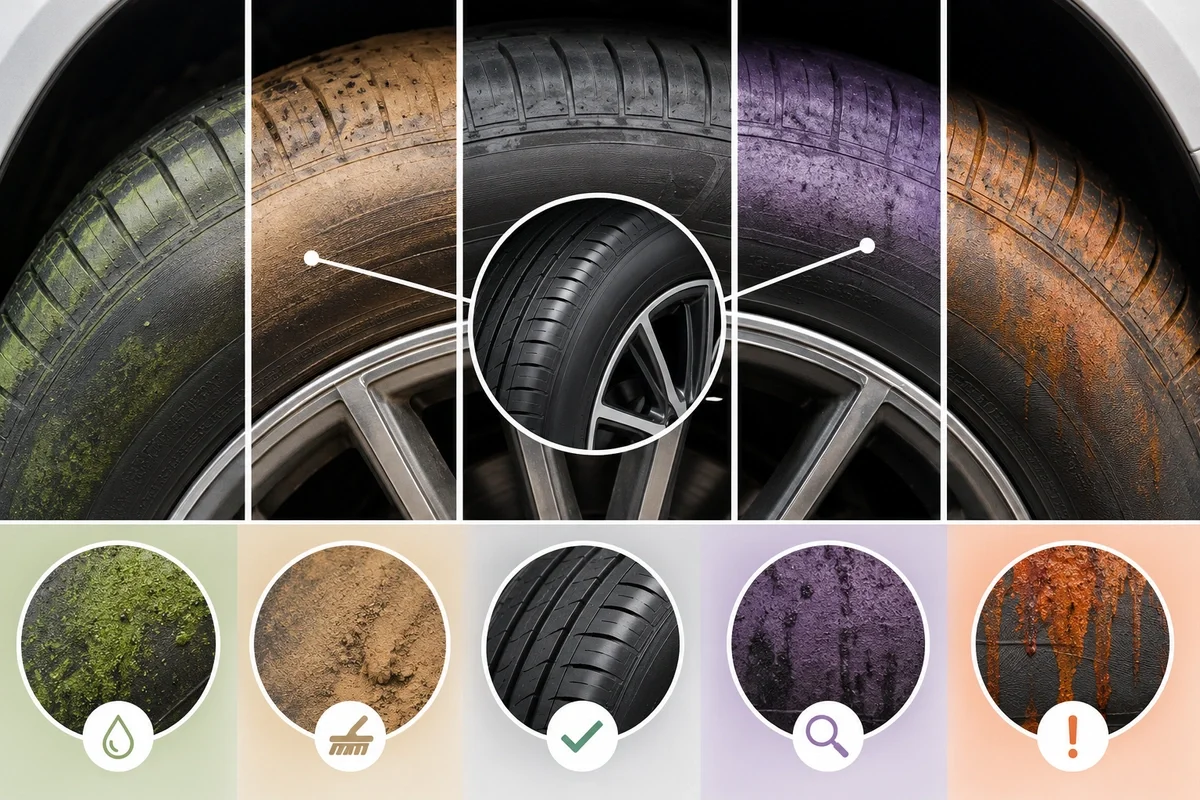
Skipping the tyre clean-up before storage lets chemicals and dirt speed up degradation. Corrosive stuff like road salt, oils, and brake dust can attack the rubber compound. These nasties weaken the sidewalls, encourage cracking, and leave behind residues that get ground in over time. A good scrub stops chemical reactions in their tracks and protects the tyre's surface.
What Are the Risks of Incorrect Tyre Inflation During Storage?
Getting the tyre pressure wrong during storage can lead to damage. Underinflation can cause flat spots, while overinflation puts too much strain on the bead and carcass. Both extremes shorten the tyre's lifespan and compromise safety when you put them back on. Keeping the correct storage pressure maintains the internal structure and stops permanent misshaping.
How Do Environmental Factors Affect Tyre Storage and Longevity?
Environmental conditions dictate how stable the tyre's chemicals are, how flexible it remains, and how quickly it ages. Temperature swings change the rubber's elasticity, humidity can encourage cracking and corrosion, UV rays break down polymers, and ozone gas speeds up oxidative damage. Keeping these factors in check helps maintain grip and safety performance.
Effect of Thermo-Oxidative, Ultraviolet and Ozone Aging on Mechanical Property Degradation of Carbon Black-Filled Rubber Materials
A study looking at carbon black-filled rubber materials, which are common in tyres, explored how thermo-oxidative, ultraviolet (UV), and ozone aging affected them. The findings showed that more exposure to these environmental elements resulted in a drop in the material's stress strength and elongation, along with a reduction in its effective temperature ranges. This research directly backs up the article's points about how environmental factors like temperature, UV rays, and ozone gas impact a tyre's chemical stability, flexibility, and overall aging rate.
What Is the Ideal Temperature Range for Storing Tyres?
Storing tyres between 10°C and 25°C keeps the rubber flexible and slows down chemical aging. This prevents hardening from heat or becoming brittle from cold. This moderate temperature range keeps the compound resilient, extending its service life and ensuring consistent performance when the tyres are back in action.
How Does Humidity Influence Tyre Condition in Storage?
High humidity can lead to condensation and corrosion on steel belts, while very low humidity can cause the rubber to dry out and crack. Keeping humidity levels balanced (40–60%) protects internal steel reinforcements and maintains the elastomer's elasticity, preventing sidewall fissures and preserving the tread compound's integrity.
Why Must Tyres Be Protected from UV Rays and Sunlight?
UV rays damage tyre rubber by breaking down polymer bonds, leading to chalking, surface cracks, and a loss of grip. Direct sunlight exposure accelerates oxidation, reducing grip and increasing the risk of blowouts. Shielding tyres with opaque covers or storing them in dark places prevents UV-induced brittleness and maintains the compound's strength.
How Does Ozone Exposure Accelerate Tyre Ageing?
Ozone gas attacks tyre sidewalls, causing tiny cracks that spread under pressure, a phenomenon known as ozone cracking. Common sources of ozone include electric motors, furnaces, and electrical discharges. Keeping tyres away from equipment that produces ozone and using airtight covers slows down oxidative damage and preserves the tyre's structure.
How Should Tyres Be Prepared Properly Before Storage?
Proper preparation involves cleaning, inspecting, and inflating to get rid of contaminants, spot any damage, and set the ideal pressure. These steps create a solid foundation that stops hidden problems from getting worse and gets your tyres ready for safe use right away.
How to safely store your tyres
Nokian Tyres offers thorough advice for the best tyre storage, stressing that the right methods can significantly slow down the aging process. Key recommendations include keeping storage temperatures below 25°C (ideally under 15°C) in a dark place, avoiding excessive humidity, and protecting tyres from direct sunlight and ozone-generating equipment. They also highlight the importance of a thorough clean before storage to prevent corrosion and rubber degradation. This source provides practical tips for preparing tyres for storage, including cleaning, and details the perfect environmental conditions (temperature, humidity, light, and ozone) needed to keep rubber sound and extend tyre life, matching the article's suggestions.
What Are the Best Practices for Cleaning Tyres Before Storage?
Effective tyre cleaning involves removing dirt and chemicals using a mild detergent, soft brushes, and low-pressure water. Start with a rinse, apply a rubber-safe cleaner, scrub gently, and then rinse thoroughly to ensure no soap residue remains. Drying the tyres completely prevents moisture-related corrosion and prepares the surface for storage protection.
How Should Tyres Be Inspected and Marked for Storage?
Inspection means checking tread depth, sidewall condition, and bead integrity for any cuts, bulges, or embedded objects. Marking each tyre with its mounting position (e.g., “FL” for front left) using chalk helps keep track of rotation order and makes reinstallation easier. Clear labelling prevents mixing up tyres and maintains balanced wear.
What Is the Correct Inflation Pressure for Stored Tyres?
Maintaining a storage pressure of about 0.2–0.3 bar above the normal running pressure helps prevent flat spots from underinflation without causing overinflation stress. This slight increase ensures the tyre carcass stays firm but not overly stretched, preserving bead seating and structural integrity until the next use.
What Are the Best Tyre Storage Methods and Equipment to Use?
Choosing the right storage methods and equipment minimises contact points, shields tyres from environmental damage, and organises your space efficiently. Whether you store them on or off the rims, invest in racks and protective covers to reduce deformation and chemical exposure.
Should Tyres Be Stored on Rims or Off Rims?
Storing tyres on rims helps maintain the bead shape and makes them easier to handle, but it requires wheel mounting hardware and stable support. Storing them off the rims prevents rim corrosion and makes cleaning simpler, but they need to be stored upright to avoid deformation. The best choice depends on the equipment you have and how often you swap tyres seasonally.
Storing Tires / How To Store Tyres On Rims The Right Way
For vehicles that will be stored for long stretches, Continental Tires suggests inflating tyres to the maximum pressure shown on the sidewall if the vehicle's weight will be resting on them, with a reminder to adjust the pressure before driving again. TIRECRAFT and Goodyear recommend storing mounted tyres upright or hanging them by the rim to prevent deformation, while unmounted tyres can be stacked or stored upright, but shouldn't be hung by hooks as this can cause sagging.This citation reinforces the article's advice on maintaining the correct inflation pressure during storage to prevent flat spots and structural damage, and on using proper positioning techniques (like storing them upright or hanging them by the rims) to avoid permanent tyre deformation.
How Do Tyre Storage Racks Improve Tyre Condition?
Specialised tyre racks lift tyres off the ground, distribute weight evenly, and improve air circulation. Whether they're wall-mounted, freestanding, or overhead, these racks help maintain the tyre's roundness and prevent contact with moisture or chemical spills. Investing in a good quality rack supports proper spacing and extends tyre life.
Are Tyre Bags and Covers Necessary for Protection?
Opaque tyre bags and covers create an airtight seal that blocks UV, ozone, and dust, significantly slowing down oxidative damage. Sealed covers also keep pests out and prevent moisture from getting in. Using individual bags for each tyre offers maximum protection and keeps storage cleaner.
| Storage Option | Key Feature | Primary Benefit | Ideal Use Case |
|---|---|---|---|
| Wall-Mounted Rack | Vertical tyre support | Even weight distribution and airflow | Garages with limited floor space |
| Freestanding Rack | Adjustable shelving | Flexible tyre spacing and organisation | Home workshops |
| Opaque Tyre Bags | UV and ozone barrier | Prevents rubber degradation | Seasonal tyre changes |
Racks and covers work hand-in-hand to keep tyres in top condition, ensuring that storage equipment prevents both mechanical stress and environmental harm.
What Seasonal Tyre Storage Mistakes Should Vehicle Owners Avoid?
Seasonal storage requires extra care regarding temperature shifts, moisture, and how the tyres are mounted. Both winter and summer tyres need specific handling to prevent them from stiffening, cracking, or wearing out prematurely during their downtime.
What Are the Common Mistakes in Winter Tyre Storage?
Common winter tyre blunders include leaving rubber that's stiffened by the cold unbagged, stacking multiple tyres without support, and storing them near heat sources. These mistakes lead to rubber hardening, flat spots, and accelerated aging that compromises grip when the temperatures drop again.
How Should Summer Tyres Be Stored to Prevent Damage?
Summer tyres stored in high heat without UV protection can soften and lose their shape. Keeping them in a cool, dark place and using opaque covers prevents sun-induced breakdown, while maintaining a slight overpressure keeps the sidewalls strong and the tyres round.
How Does Long-Term Vehicle Storage Impact Tyres?
Vehicles parked for extended periods put constant pressure on the tyres, leading to sidewall creases and flattened contact patches. Lifting the vehicle on jack stands or turning the wheels periodically redistributes the pressure and preserves the tyre's shape for reliable handling when the vehicle is back in service.
How Can You Create the Optimal Tyre Storage Environment?
An ideal storage environment combines smart location choices, climate control, and good ventilation to shield tyres from changing conditions and airborne contaminants. Setting up a dedicated space ensures consistency and better tyre preservation over time.
What Are the Best Indoor Storage Locations for Tyres?
Garages, basements, and climate-controlled storage units offer stable temperatures and protection from direct sunlight. Basements with high humidity might need a dehumidifier, while corners of garages can shield tyres from UV-emitting equipment and fumes.
How Can Temperature and Humidity Be Controlled Effectively?
Using thermostats, dehumidifiers, and insulation helps maintain the ideal 10–25°C temperature range and 40–60% humidity level. Thermostatic controls prevent extreme fluctuations, and sealed containers or racks along with silica packets can manage moisture levels.
Why Is Ventilation Important in Tyre Storage Areas?
Good ventilation prevents condensation from building up and disperses ozone from HVAC systems or nearby electric motors. Air circulation reduces stagnant spots where chemical reactions can occur, ensuring stored tyres stay dry and chemically stable.
What Are the Key Tips to Prevent Tyre Damage During Storage?
Preventing tyre damage boils down to proper stacking, avoiding chemicals, and shielding them from environmental threats. Implementing a few key strategies keeps the rubber healthy, ensures safety performance, and saves you money.
How Does Proper Stacking Prevent Tyre Deformation?
Storing tyres upright with at least 5 cm of space between them prevents stress on the sidewalls and allows air to circulate around the tread. Using padded separators when stacking them horizontally distributes the weight evenly and avoids flat spots.
Why Avoid Exposure to Chemicals and Solvents?
Tyres exposed to oils, greases, or harsh solvents can experience rubber swelling and compound breakdown. Keep tyres away from automotive fluids and use chemical-resistant mats under storage racks to prevent solvents from seeping into the rubber.
How Do Opaque Bags Protect Tyres from UV and Ozone?
Opaque storage bags block harmful UV and ozone, cutting oxidation rates by over 80% and preventing surface cracking. Sealed covers also protect tyres from dust and moisture, ensuring the compound stays stable until they're fitted again.
Smart stacking, keeping chemicals at bay, and using opaque covers all work together to create a strong defence against common storage hazards, preserving tyre condition for safe, reliable performance.
By investing in proven accessories and sticking to this guide, you can protect your tyres, cut down on replacement costs, and maintain peak safety on the road.