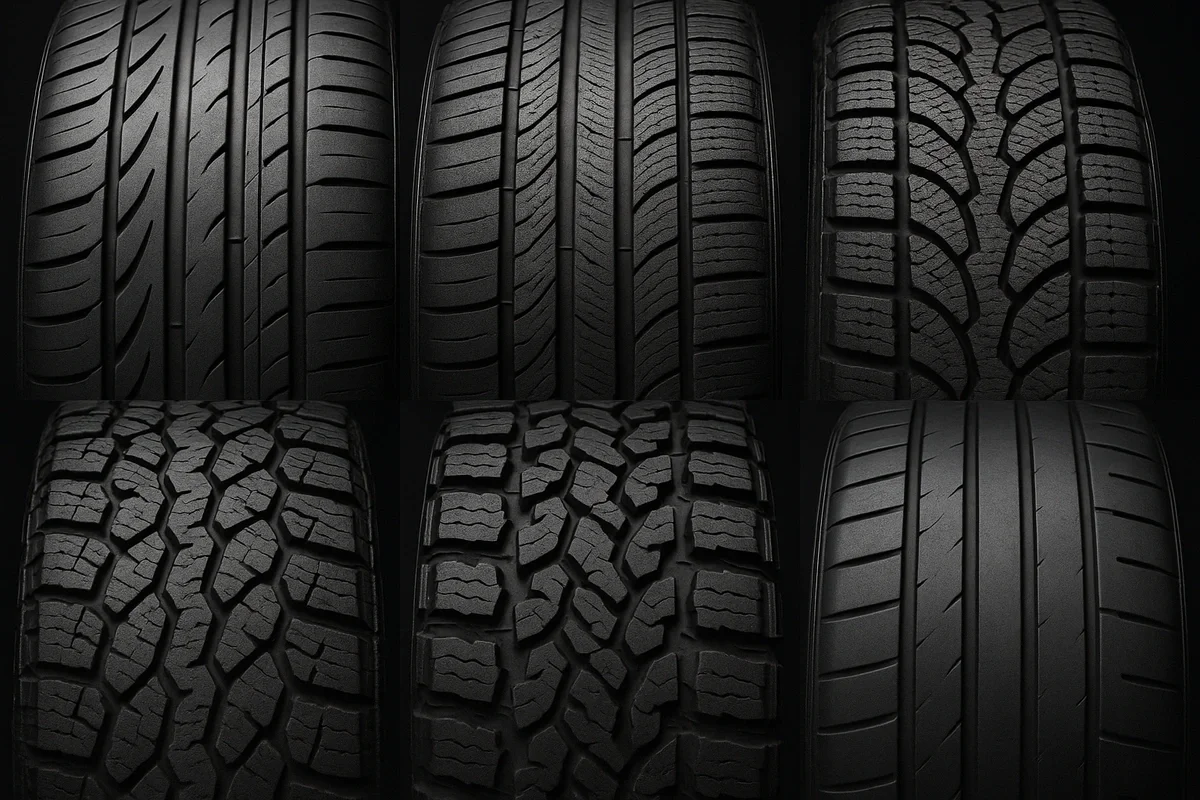
Tyre tread patterns are the bedrock of safe, efficient driving, directly impacting grip, braking, and comfort on UK roads.
Whether you're navigating rain-soaked city streets or tackling icy country lanes, understanding how tyre tread designs influence performance and safety across different surfaces can transform your driving experience. This guide delves into the main types of tread designs, explores their effects on traction, braking distances, hydroplaning resistance, and outlines UK legal requirements for tread depth.
You'll discover which patterns are best suited for wet, dry, snowy, and off-road conditions, how to pick the ideal tread for your vehicle and driving style, and essential maintenance tips to get the most out of your tyres. Throughout, expert insights from Tyre Runner’s tyre specialists will illustrate practical applications and help you make confident tyre choices.
What Are the Main Types of Tyre Tread Patterns and Their Benefits?
Tyre tread patterns refer to the arrangement of grooves, blocks, and sipes on a tyre’s contact surface. These designs are engineered to channel water, boost grip, and influence rolling resistance. Selecting the right pattern means striking a balance between comfort, handling, and longevity for your specific driving environment. Below, we compare the four primary tread categories and the advantages each offers.
| Tread Pattern | Key Feature | Primary Benefit |
|---|---|---|
| Symmetrical | Uniform block and groove layout | Low rolling resistance and even wear |
| Asymmetrical | Distinct inner and outer zones | Balanced wet grip inside, cornering outside |
| Directional | V-shaped grooves pointing forward | Enhanced water evacuation in rain and snow |
| Hybrid (Multi-Directional) | Combination of symmetrical and directional elements | Versatile performance across varied conditions |
Each pattern is designed to meet specific driving needs, from maximising fuel efficiency on your commute to delivering high-performance cornering. With this overview, the following sections will explore each tread type in detail and guide you on when to choose them.
What Is a Symmetrical Tyre Tread Pattern and When Should You Use It?
A symmetrical tyre tread pattern features repeating blocks and grooves arranged uniformly across the tyre, delivering consistent performance for everyday driving. This uniformity contributes to low rolling resistance, which boosts fuel economy by reducing the energy needed to maintain speed. The continuous ribs also promote even tread wear, extending tyre life under normal road conditions. For drivers who cover moderate mileages on predominantly dry or mildly wet roads, symmetrical patterns offer a quiet, comfortable ride. Commuters and owners of small family cars will find this design particularly beneficial, as it balances cost-effectiveness with dependable handling. Understanding how symmetrical tread impacts fuel efficiency and wear sets the stage for exploring more specialised patterns designed for enhanced performance and all-weather control.
How Does an Asymmetrical Tyre Tread Improve Grip and Cornering?
An asymmetrical tyre tread pattern combines two distinct tread zones on the same tyre: an inner region optimised for water dispersion and an outer region tuned for mechanical grip. This dual-zone design uses varied groove density and block shapes to improve wet traction on the inside and enhance cornering stability on the outside. The inner side effectively channels water away from the contact patch to minimise hydroplaning risk, while the stiffer outer blocks provide the lateral stiffness needed for precise steering response. Drivers of performance saloons and sporty hatchbacks will appreciate the enhanced grip through bends and the increased confidence under braking. By tailoring tread characteristics to specific functions, asymmetrical patterns deliver a dynamic driving experience without compromising safety in wet conditions.
Why Choose Directional Tyre Tread for Wet Weather and Snow?
A directional tyre tread pattern features V-shaped grooves that are designed to rotate in a single direction, maximising the evacuation of water and slush from beneath the tyre. As the tread rapidly channels rainwater outwards, firm contact with the road surface is maintained, significantly reducing the risk of hydroplaning. In snowy conditions, the directional design’s biting edges cut through slush, improving traction and straight-line stability. Drivers in areas prone to heavy rainfall or occasional snowfall will find directional tyres invaluable for maintaining consistent grip. The requirement to mount the tyre in its correct rotational direction ensures optimal performance, so professional fitting services, like those offered by Tyre Runner, are crucial for ensuring precise installation and peak wet-weather safety.
What Are Hybrid or Multi-Directional Tread Patterns?
Hybrid or multi-directional tread patterns ingeniously merge the benefits of symmetrical and directional designs into a single, versatile layout. These patterns incorporate blocks oriented both symmetrically and in V-shaped channels, delivering reliable water dispersion while maintaining balanced wear characteristics. This versatility is ideal for drivers who encounter a mix of dry, wet, and lightly snowy roads without the need for seasonal tyre changes. All-season tyres frequently utilise hybrid patterns to provide year-round performance, certified for winter conditions yet fully compliant with UK tread depth regulations. This blend of features offers a compelling solution for motorists seeking a single set of tyres that can handle shifting weather patterns with consistent stability and comfort.
How Do Tyre Tread Patterns Affect Driving Performance and Safety?
Tyre tread patterns are fundamental to critical aspects of vehicle control, influencing everything from grip levels on diverse surfaces to braking efficiency and noise generation. By carefully shaping and sizing the grooves and sipes, manufacturers dictate how a tyre interacts with wet roads, dry asphalt, ice, and loose terrain. The right pattern can slash stopping distances by up to 45 percent in slippery conditions and significantly minimise hydroplaning incidents. It also impacts fuel consumption through rolling resistance and ride comfort via block stiffness and noise-dampening sipes. Recognising these performance connections empowers drivers to prioritise safety factors that align with their driving environments, without sacrificing economy or comfort.
How Does Tyre Tread Influence Grip and Traction on Different Road Surfaces?
Tyre tread patterns dictate how the rubber makes contact with various surfaces—be it smooth dry asphalt, rain-slicked roads, icy lanes, or muddy tracks. Deep, narrow grooves and dense siping enhance grip on wet and icy surfaces by creating more biting edges and effectively expelling water or slush. On dry pavement, larger tread blocks improve mechanical grip and steering precision. Off-road tyres, with their wide voids and chunky lugs, maintain traction on loose gravel and mud by gripping irregular terrain. The interplay between tread design and surface texture directly influences the amount of acceleration, braking, and lateral force the tyre can transmit before slipping, underscoring the importance of selecting a pattern suited to the predominant road conditions you encounter.
What Role Does Tread Pattern Play in Preventing Hydroplaning?
Hydroplaning occurs when a layer of water separates the tyre from the road surface, leading to a loss of control. Tread patterns combat this by channeling water away from under the tyre faster than it can accumulate. Directional V-shaped grooves move water laterally, while multiple circumferential channels efficiently clear large volumes of rainwater during high-speed driving. The depth and angle of these grooves are critical in determining how effectively water is expelled. Patterns with high groove density help maintain contact even during heavy showers. Professional fitting services ensure optimal tyre orientation and pressure, maximising water evacuation and keeping you firmly connected to the road in wet weather.
How Do Tread Patterns Impact Braking Distance and Vehicle Control?
Tread pattern geometry plays a significant role in braking performance by influencing the contact patch’s shape, stiffness, and water-clearing capabilities. Patterns featuring wide, continuous ribs and large blocks provide a stable footprint under load, which helps shorten stopping distances on dry roads. In wet conditions, optimised siping and channels reduce the risk of skidding by maintaining traction during braking. Studies indicate that tyres with advanced tread compounds and well-engineered groove layouts can reduce braking distances by up to 20 percent compared to conventional designs. Consistent tread depth and proper rotation further preserve braking efficiency throughout the tyre’s service life, ensuring predictable control during emergency stops and cornering maneuvers.
Can Tyre Tread Design Improve Fuel Efficiency and Reduce Noise?
Absolutely, low rolling resistance tread patterns reduce the energy required to deform the tyre as it rolls, thereby enhancing fuel economy. Symmetrical designs often excel in this area due to their uniform block structures, which minimise heat build-up and deformation. Noise reduction is achieved through variable pitch tread blocks that disrupt harmonic frequencies, while additional sipes help dampen vibrations. Tyre models incorporating advanced polymers and optimised tread layouts can improve fuel efficiency by up to 7 percent and lower cabin noise by several decibels. When selecting tyres, consider both the official rolling resistance rating and the noise emission class to achieve the best balance of economy, comfort, and performance.
What Is the Legal Tyre Tread Depth in the UK and How Do You Check It?
UK law mandates a minimum tyre tread depth of 1.6 mm across the central 75 percent of the tyre’s breadth and around its entire circumference. Maintaining tread depth above this legal limit is crucial for safer braking and effective hydroplaning resistance. Most experts recommend replacing tyres when the tread reaches 3 mm to ensure optimal wet-weather performance, as braking distances increase significantly below this threshold. Regular checks and accurate measurements are essential for preserving safety and avoiding penalties. Understanding both the legal and recommended depths empowers drivers to schedule replacements before performance deteriorates.
What Is the Minimum and Recommended Tyre Tread Depth for Safety?
The minimum legal tread depth in the UK stands at 1.6 mm, but tyre performance deteriorates sharply below 3 mm, particularly in wet conditions. At 3 mm, tyres can still effectively disperse water and maintain grip, reducing stopping distances by up to 40 percent compared to tyres at the legal limit. Replacing tyres at the recommended depth ensures stronger traction, shorter braking distances, and continued protection against hydroplaning. Tyre specialists advise monitoring tread depth monthly, especially before seasonal changes, to maintain driving safety and legal compliance.
How to Perform the 20p Test to Check Your Tyre Tread Depth?
The 20p test offers a quick and reliable method for gauging tread depth without the need for specialised tools. Simply insert a UK 20p coin into the tyre’s central grooves, ensuring the outer band of the coin is facing you. If the tread covers any part of the band, the depth exceeds 1.6 mm and meets the legal minimum. If the band remains fully visible, it’s time to consider replacing your tyres. Repeat this test at multiple points around each tyre to identify any uneven wear. This straightforward method helps drivers determine when a professional inspection or new tyres are necessary to uphold road safety.
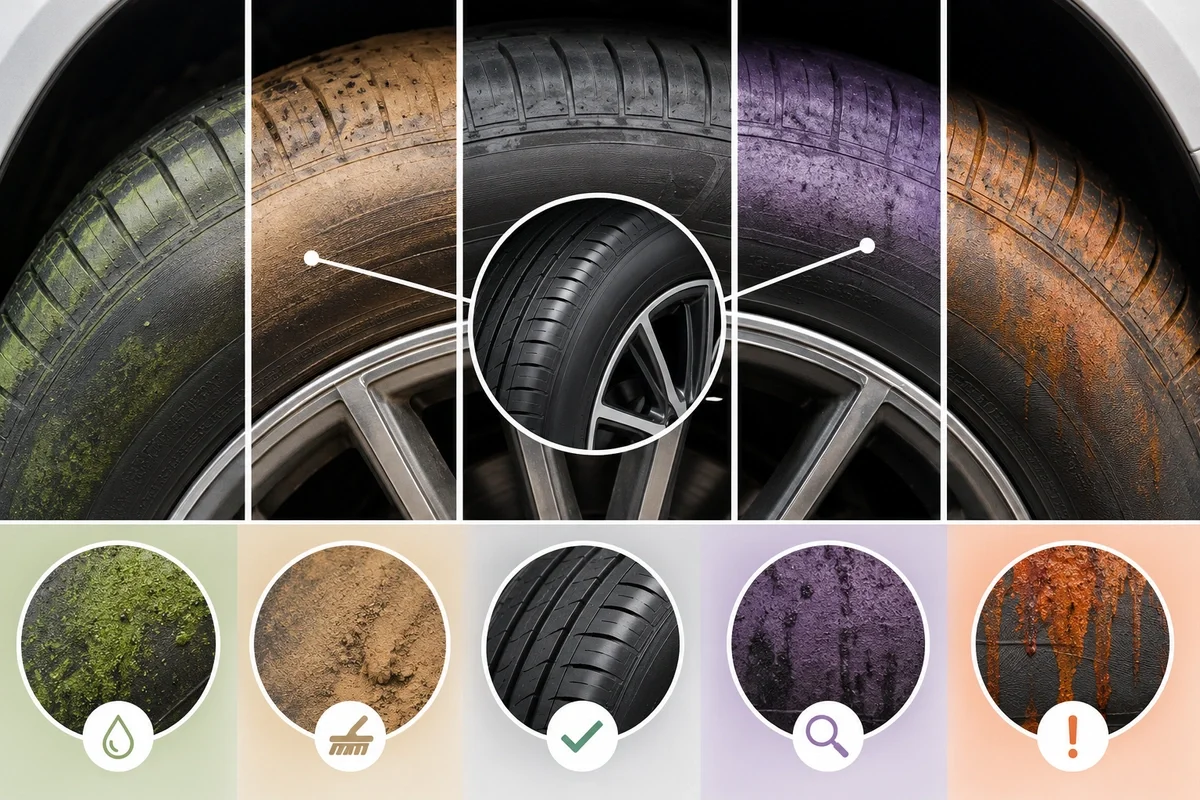
What Are Tyre Wear Patterns and What Do They Indicate?
Different wear patterns can reveal underlying issues with your vehicle’s alignment, tyre pressure, or suspension system.
-
Feathering (edges worn more than centres) suggests misaligned camber or toe settings.
-
Cupping (scalloped dips around the tread) signals worn shock absorbers or unbalanced tyres.
-
Centre wear indicates over-inflation, while edge wear points to under-inflation.
-
One-sided wear reveals incorrect wheel alignment.
How to Decode Tyre Sidewall Markings Related to Tread Information?
Tyre sidewalls contain vital information:
-
A sequence such as 205/55 R16 91V indicates the tyre's width (205 mm), aspect ratio (55 percent), radial construction, rim diameter (16 inches), load index (91), and speed rating (V).
-
TWI arrows point to the location of the tread wear indicators.
-
DOT codes reveal the production date and compliance standards.
Which Tyre Tread Patterns Are Best for Specific Driving Conditions?
Selecting the right tread pattern for your typical driving environment is key to maximising safety, handling, and comfort. Factors like climate, road surface, and driving style all influence which pattern will deliver optimal performance. Whether you frequently encounter heavy rain, icy paths, high-speed track days, or muddy trails, a tailored tread design will help maintain traction and control. The following sections highlight the ideal tread layouts for each scenario, equipping you to match tyre technology to your driving conditions.
What Tyre Tread Patterns Offer the Best Performance on Wet Roads?
Tyres designed for wet roads typically feature directional or asymmetrical patterns with deep, wide circumferential grooves engineered to channel water away rapidly. V-shaped channels and multi-sipe networks enhance hydroplaning resistance, while specialised rubber compounds maintain flexibility at lower temperatures. Patterns incorporating interlocking blocks further strengthen wet grip and shorten braking distances. For UK drivers who frequently navigate showers, tyres with top rain-grip ratings and directional grooves offer the most secure water evacuation and consistent handling on slick surfaces.
How Do Tread Patterns Affect Driving on Snow and Ice?
Winter-rated tyres combine directional grooves with high-density siping and softer rubber compounds to effectively bite into snow and ice. The V-shaped channels help shed slush, while micro-sipes create thousands of gripping edges that maintain traction on frozen roads. Some patterns are stud-compatible, allowing for the fitting of metal studs for extreme conditions. Certified symbols, such as the Three-Peak Mountain Snowflake, confirm performance in severe winter weather. These specialised designs deliver significantly improved acceleration, braking, and cornering on snow-covered UK routes.
What Are the Ideal Tread Designs for Dry Road Handling and Performance?
On dry roads, tread patterns featuring large, continuous ribs and reinforced shoulder blocks maximise mechanical grip and steering precision. Minimal siping and narrower grooves increase the rubber-to-road contact area, enhancing stability during high-speed cornering and emergency maneuvers. Performance tyres often utilise asymmetrical layouts with stiff compounds to maintain their shape under lateral loads, delivering responsive handling and shorter braking distances. For spirited driving or track days, these patterns provide the tactile feedback and control that enthusiasts demand.
Which Tread Patterns Suit Off-Road and All-Terrain Driving?
All-terrain tyres are characterised by aggressive block designs, wide lateral grooves, and reinforced sidewalls, making them ideal for tackling gravel, mud, and loose soil. The interlocking lugs optimise self-cleaning action, ejecting stones and mud to maintain grip on uneven surfaces. Hybrid all-terrain patterns cleverly combine road-friendly centre ribs with rugged shoulder blocks for quieter highway driving without compromising off-road traction. Drivers of SUVs and 4x4 vehicles often choose these designs to ensure reliable performance across varied terrains and maintain stability when venturing beyond paved roads.
How to Choose the Right Tyre Tread Pattern for Your Vehicle and Driving Style?
Selecting the perfect tread pattern involves carefully assessing your typical routes, driving speed, load requirements, and prevailing weather conditions. Performance drivers will prioritise lateral grip and steering response, while families might value comfort and longevity. Off-road enthusiasts will seek durability and traction in loose terrain, and all-season motorists will look for a balanced solution that works year-round. By aligning your vehicle type with specific pattern characteristics—such as groove design, siping density, and compound flexibility—you can optimise safety, handling, and fuel efficiency. Expert guidance from Tyre Runner’s fitting centre ensures your choice perfectly matches both your performance expectations and regulatory standards.
What Tread Patterns Are Recommended for Performance and Sports Cars?
Sports car tyres frequently employ asymmetrical or directional patterns featuring large outer shoulder blocks and minimal groove interruption to enhance cornering stiffness. Advanced compounds and reinforced belts help maintain shape under high lateral forces, delivering precise steering feedback and rapid response. Smaller, finely tuned sipes in the centre assist with water evacuation without compromising dry-road stability. These specialised designs allow drivers to exploit higher grip thresholds while preserving control at speed.
Which Tyres and Tread Designs Are Best for SUVs and Off-Road Vehicles?
SUVs and off-road vehicles benefit greatly from all-terrain or mud-terrain patterns that feature deeper voids and robust sidewall construction. Interlocking tread blocks ensure reliable traction on gravel and soft ground, while stone ejectors help prevent damage from debris. Some hybrid patterns cleverly incorporate highway ribs for quieter long-distance travel without sacrificing off-road capability. Selecting a tyre with a load index and speed rating appropriate for your vehicle’s weight and intended use is essential for safe, reliable performance.
How Do All-Season Tyres Balance Tread Performance Across Conditions?
All-season tyres utilise hybrid patterns that combine directional and symmetrical elements, along with compounds engineered to remain pliable across a wide temperature range, from -10 °C to +30 °C. Moderate groove depth, high siping density, and reinforced shoulders create a versatile footprint suitable for rain, light snow, and dry roads. The result is consistent traction year-round without the need for seasonal tyre changes. These patterns typically carry snowflake certification while maintaining fuel-efficient performance and low noise levels for everyday driving.
What Are the Benefits of Low Rolling Resistance Tread Patterns for Electric Vehicles?
Electric vehicles require tyre patterns that minimise energy consumption to maximise driving range. Low rolling resistance tread designs feature narrow grooves, rigid rib structures, and specialised silica-based compounds that reduce deformation under load. These tyres optimise the contact patch shape to lower friction without compromising wet grip or braking performance. Reduced rolling resistance can extend driving range by up to 7 percent, supporting eco-friendly driving while maintaining safety and comfort on UK roads.
How Can You Maintain Your Tyres to Maximise Tread Life and Safety?
Consistent maintenance is crucial for preserving tread depth, ensuring even wear, and upholding performance. Regular inspections, proper inflation, wheel alignment, and timely rotations all contribute to extending tyre life and maintaining safety margins. Neglecting any of these factors can accelerate wear and compromise traction, potentially increasing stopping distances and hydroplaning risk. By following a structured maintenance schedule and addressing wear patterns promptly, drivers can safeguard handling, fuel efficiency, and compliance with UK tread depth laws.
What Causes Uneven Tyre Wear and How to Prevent It?
Uneven tyre wear typically stems from incorrect inflation pressures, misaligned wheels, or worn suspension components.
-
Under-inflation causes the centre tread to flatten, leading to excessive edge wear.
-
Over-inflation results in the centre ribs wearing down faster.
-
Camber misalignment skews wear to one shoulder of the tyre.
-
Damaged shocks can lead to cupping or scalloped edges on the tread.
How Often Should You Rotate Your Tyres to Preserve Tread?
Rotating your tyres every 6,000–8,000 miles helps to balance tread wear across all four tyres, which is particularly important on front-wheel or rear-wheel-drive vehicles where wear rates can differ. Following a cross-rotation pattern—moving front tyres to the rear on the opposite side—promotes even block wear and extends the overall lifespan of your tyres. Adhering to this schedule helps maintain balanced handling, consistent grip, and predictable braking performance, protecting your safety and saving on premature replacements.
When Is It Time to Replace Your Tyres Based on Tread and Performance?
Beyond the legal minimum of 1.6 mm, tyre performance begins to degrade noticeably as tread depth falls below 3 mm. Drivers should consider replacing tyres when tread indicators become visible or when they observe a noticeable increase in braking distances on wet roads. Additional signs that indicate replacement is due include sidewall damage, persistent vibration, excessive noise, or frequent loss of pressure. Consulting tyre specialists for a professional inspection ensures replacements occur before safety is compromised, preserving control and compliance with UK regulations.
What Are Common Questions About Tyre Tread Patterns?
Drivers frequently seek clarification on tread types, their safety implications, and legal requirements. Addressing these core queries helps build confidence in tyre selection and maintenance practices. Understanding the distinctions, performance impacts, and compliance rules associated with each pattern ensures informed choices that enhance both safety and driving enjoyment.
What Are the 3 Main Types of Tyre Tread Patterns?
The three primary tyre tread patterns are symmetrical, asymmetrical, and directional.
-
Symmetrical: Features uniform grooves for low rolling resistance.
-
Asymmetrical: Utilises a dual-zone layout for improved wet grip and cornering.
-
Directional: Employs V-shaped channels for rapid water evacuation.
How Does Tyre Tread Affect Grip and Handling?
Tread grooves and sipes create biting edges that enhance traction on wet or icy roads, while block stiffness and pattern symmetry influence lateral stability and steering precision. Properly designed patterns maintain consistent contact under braking and cornering loads.
What Is the Best Tyre Tread Pattern for Wet Weather Safety?
Directional tread with V-shaped grooves offers the fastest water clearance and strongest hydroplaning resistance, ensuring reliable grip and predictable handling in heavy rain.
How Do Legal Tyre Tread Depth Rules Affect Your Driving?
UK law requires at least 1.6 mm of tread across the central 75 percent of the tyre’s width. Falling below this limit significantly increases stopping distances and hydroplaning risk, and can result in fines and failed safety inspections.
Do Different Tyre Tread Patterns Really Make a Difference?
Yes, tread pattern geometry and compound design directly influence braking distance, aquaplaning prevention, fuel consumption, and noise levels. Choosing a pattern that is well-matched to your driving conditions optimises safety, efficiency, and comfort.
Tyre tread design plays a pivotal role in shaping your driving safety and performance. By selecting the appropriate pattern—whether for wet roads, winter conditions, or spirited handling—you ensure optimal grip, braking efficiency, and ride comfort. Regular maintenance, diligent tread depth checks, and expert fitting further preserve these benefits throughout the tyre’s lifespan. For tailored advice and professional installation, consult Tyre Runner’s experienced team and explore the range of tread-pattern-matched tyres designed to enhance every aspect of your driving experience.