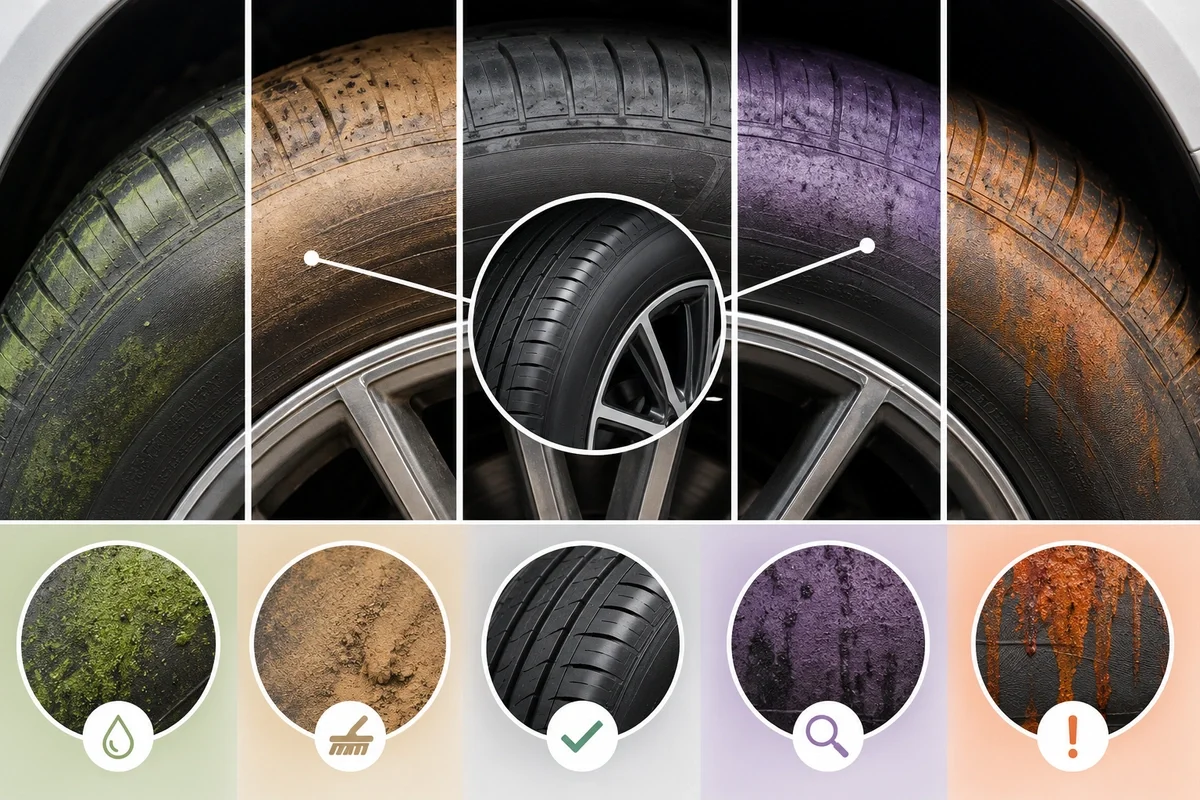
Mastering your fleet's tyres is key to keeping your operations running smoothly, safely, and affordably. Tyres can account for up to 53% of your total running costs, even though they're only about 5% of your equipment spend. This comprehensive guide covers everything fleet managers need to know, from detailed tyre maintenance and digital monitoring to the smart economics of re-treading, understanding UK regulations, savvy procurement, and effective driver training. We'll also delve into analysing wear patterns. Specifically, we'll explore tyre pressure, tread depth, rotation, TPMS technology, the advantages of re-treading, crucial legal requirements, and practical tyre selection tips. By putting these strategies into practice, you'll boost safety, slash fuel bills, and secure long-term savings, all with Tyre Runner's expert support for your commercial tyre needs.
Why Tyre Care is Non-Negotiable for Fleet Managers
Top-notch tyre maintenance is the bedrock of safe operations. It ensures optimal grip, drastically cuts blow-out risks, and significantly slashes fuel consumption by maintaining the right rolling resistance. Regular checks are vital; they prevent uneven wear and unexpected breakdowns, which in turn keeps your routes on schedule and drives down your total cost of ownership. Furthermore, consistently monitoring tyre pressure, tread depth, and alignment not only extends tyre life but also plays a crucial role in keeping your drivers safe.
The condition of your tyres also directly impacts driver safety and your fleet's reputation. Well-maintained tyres mean better braking and handling on all UK roads, leading to fewer incidents and potentially lower insurance premiums. Integrating routine tyre checks into your fleet's workflow cultivates a proactive safety culture, minimising unplanned maintenance and building operational resilience.
How Tyre Pressure Affects Fleet Safety and Fuel Efficiency
Tyre pressure, measured in PSI or bar, is the force inside your tyre that dictates its contact with the road and its rolling resistance. Under-inflated tyres flex more at the sidewalls, which generates excessive heat, causes premature wear, and can increase fuel consumption by up to 2% for every 10 PSI drop. Over-inflating, on the other hand, reduces traction and leads to uneven wear in the centre of the tread.
Getting your tyre pressure right brings significant advantages:
-
Enhanced grip and shorter braking distances on both wet and dry surfaces.
-
Potential fuel savings of up to 4% thanks to optimised rolling resistance.
-
Tyre service life extended by up to 20% over their operational cycles.
Keeping your tyre pressure within the manufacturer's recommended range is fundamental to efficient fleet management and is a direct requirement of UK safety regulations for commercial vehicles.
Best Practices for Regular Tyre Inspections and Tread Depth Checks
Effective tyre inspections involve both visual checks and precise tread-depth measurements to spot wear patterns, damage, and ensure compliance. Fleet managers should implement a robust inspection routine:
-
Daily walk-around checks by drivers to identify cuts, bulges, or low pressure.
-
Weekly professional inspections using calibrated tread gauges.
-
Immediate attention to any signs of uneven wear, which could point to alignment or suspension issues.
How to Accurately Check Your Tyre Pressure
-
Park your vehicle on a level surface and let the tyres cool down.
-
Remove the valve caps and use a calibrated pressure gauge.
-
Inflate or deflate to the manufacturer's specified PSI.
-
Log the pressures and the date in your maintenance records.
Consistent inspections help prevent breakdowns and ensure you're always meeting legal tread-depth requirements, setting the stage for timely rotation and alignment services.
How Tyre Rotation and Wheel Alignment Boost Tyre Lifespan
Tyre rotation means moving tyres between different wheel positions to ensure wear is even across the entire set. Wheel alignment, meanwhile, ensures your wheels are set at the correct camber, caster, and toe angles. This even tread wear prevents tyres from needing replacement too early and keeps your vehicle handling predictably.
Step-by-Step Guide to Tyre Rotation for Commercial Vehicles
-
Safely lift the vehicle and remove the wheels following proper procedures.
-
Swap front and rear tyres, typically in a cross pattern, adhering to manufacturer guidelines.
-
Re-torque wheel nuts to the correct specification and log the rotation in your service records.
-
Check wheel alignment after rotation to catch any suspension drift.
Regular rotations, ideally every 10,000–12,000 miles, combined with annual alignment checks, can extend your tyre lifespan by up to 15%, significantly boosting your fleet's cost efficiency.
How Digital Tyre Monitoring Systems Elevate Fleet Operations
Digital tyre monitoring systems use sensors fitted to the valves to capture real-time data on tyre pressure and temperature. Fleet managers receive instant alerts when anything is amiss, allowing for proactive maintenance that cuts down on unscheduled stops and saves fuel. By automating data collection, TPMS solutions eliminate manual checking errors and integrate smoothly with your existing telematics platforms.
Implementing digital monitoring enables predictive maintenance by flagging slow leaks, rising temperatures, and uneven wear before they become major issues. This enhanced visibility can reduce tyre-related downtime by up to 15% and reinforce safety standards across all operating environments, from UK motorways to busy urban delivery routes.
What is a Tyre Pressure Monitoring System (TPMS) and How Does It Work?
A Tyre Pressure Monitoring System (TPMS) employs wireless sensors to measure inflation levels and tyre temperature at set intervals, sending this data to a central dashboard. When readings fall outside your pre-set thresholds, you get immediate alerts, prompting swift corrective action.
How it works, its benefits, and integration:
-
Sensors are fitted to each wheel and connect to a telematics unit.
-
Alerts for under- or over-inflation significantly reduce the risk of blow-outs.
-
Historical data allows for trend analysis and smarter service scheduling.
Seamless integration with your fleet management software ensures that maintenance teams receive actionable reports, preventing costly roadside emergencies.
Case Study: UK Fleet Slashes Costs by 25% with Digital Tyre Monitoring
In 2024, a logistics firm based in the Midlands adopted a TPMS solution, supported by Tyre Runner's expert advice. Within just six months, their ability to detect leaks early and schedule interventions proactively cut tyre-related downtime by 30% and fuel consumption by 3%. This translated into a remarkable 25% reduction in overall tyre-associated operating expenses.
What are the Benefits of Real-Time Tyre Data for Predictive Maintenance?
Real-time tyre data is the engine of predictive maintenance, allowing you to forecast potential failures based on pressure and temperature trends. Fleet managers can:
-
Schedule targeted inspections before critical wear develops.
-
Optimise rotation and alignment schedules based on actual usage patterns.
-
Minimise vehicle downtime and the need for emergency repairs.
These predictive insights also help with budgeting for tyre replacements and re-treading services, ensuring your fleet remains operational and safe at all times.
Tyre Use and Road Safety: EU Policy Recommendations for Tyre Management
The study considers the use of winter tyres, tread depth requirements, tyre inflation pressure maintenance, and tyre ageing effects and damage. An assessment has been made of tyre safety performance, current tyre use and consumer awareness, tyre-related accident statistics, and existing regulations for the different tyre aspects (including TPMS). Results from analyses of accident records from Germany (GIDAS) and a NHTSA study provide an estimation of safety benefits. Policy options are defined, and estimations are made of accident reduction on a European scale to assess monetary benefits, which are compared to the associated costs of policy implementation. The results indicate that extended enforcement of tread depth regulation and increased tyre pressure maintenance are most cost-effective. For winter tyres, it is cost-effective to introduce a harmonised definition using the 3PMS performance criterion, and installing a dedicated tread depth requirement of 4 mm would be around break-even. Promoting the use of winter tyres, or extending the enforcement of their use, may not be cost-effective as a policy option; however, the estimated safety benefit is significant (i.e., a 3% reduction in the number of fatalities during winter conditions). Installing a harmonised tread depth for truck tyres, and organising tyre inspections between periodic vehicle inspections, are expected to be beneficial.
The European Union has explored various policy recommendations to enhance tyre safety and management, highlighting the cost-effectiveness of enforcing tread depth and tyre pressure maintenance.
UK Commercial Vehicle Tyre Safety Regulations Fleet Managers Must Know
UK law requires commercial vehicle tyres, including those on lorries and trailers, to have a minimum tread depth of 1.6 mm across three-quarters of the tread width and the entire circumference. Staying ahead of these regulations helps you avoid penalties and ensures your vehicles are safe on the road. The rules also cover safe load ratings and prohibit anything that could compromise tyre integrity.
Complying with these regulations is essential for legal operation, driver safety, and maintaining your company's reputation. A robust inspection system aligned with DVSA guidelines will minimise your risk of enforcement action.
What Are the Legal Tread Depth Requirements for Commercial Tyres in the UK?
UK regulations stipulate that all commercial vehicle tyres must maintain a minimum tread depth of 1.6 mm. This measurement must be consistent across three-quarters of the tread width and the full circumference of the tyre. If tyres are fitted in pairs, both must meet this minimum requirement.
Regularly checking your tread depth with calibrated gauges is crucial to avoid non-compliance and ensure optimal braking performance, especially in challenging weather conditions.
How Often Should Fleet Tyres Be Inspected to Meet UK Safety Standards?
Fleet tyres should be subject to:
-
Daily visual checks by drivers before starting their shift.
-
Weekly professional inspections that measure pressure, tread depth, and overall condition.
-
Pre-trip checks before undertaking long-haul journeys or operating under heavy loads.
This inspection frequency aligns with UK statutory requirements and reinforces a continuous commitment to safety assurance.
What Are the Penalties for Non-Compliance with Tyre Safety Regulations?
Failure to meet UK tyre safety standards can result in serious consequences:
-
Fixed penalty notices, potentially up to £2,500 per tyre for serious infringements.
-
Vehicle defect prohibitions, leading to roadside enforcement stops.
-
Increased insurance premiums and greater liability in the event of an incident.
Strict adherence to the regulations helps mitigate legal risks and keeps your fleet operational.
Checklist: UK Tyre Safety Compliance for Fleet Managers
-
Confirm all tyres meet the 1.6 mm tread-depth minimum.
-
Maintain records of daily driver inspections and weekly professional checks.
-
Verify that tyre load and speed ratings match vehicle specifications.
-
Keep service logs readily available for DVSA audits.
Implementing these steps embeds regulatory compliance into your daily operations and protects your fleet from enforcement actions.
How Fleet Managers Can Select the Right Tyres for Peak Performance and Cost Efficiency
Selecting the appropriate tyres requires a careful balance of several factors, including load capacity, tread pattern, compound characteristics, and rolling resistance. Fleet operations vary widely, from urban deliveries to long-haul transport, and each demands specific tyre types such as steer, drive, and trailer tyres. Understanding your vehicles' specific needs and typical route profiles is therefore key to making the optimal tyre choice.
Analysing the total cost of ownership—which includes purchase price, maintenance expenses, and fuel impact—will help you develop a procurement strategy that meets performance targets while keeping costs in check.
What Factors Should Be Considered When Selecting Tyres for Different Commercial Vehicles?
Key selection criteria include:
-
Load capacity and speed rating that match your axle requirements.
-
Tread design suitable for the operating surfaces (wet, dry, mixed conditions).
-
Compound hardness, balancing grip with wear resistance.
-
Manufacturer support, warranty coverage, and re-treading compatibility.
Carefully considering these parameters ensures your tyres deliver on safety, longevity, and fuel economy.
How Do Fuel-Efficient Tyres Reduce Operating Costs for Fleets?
Fuel-efficient tyres feature low rolling-resistance compounds and optimised tread patterns that minimise energy loss. The benefits are clear:
-
Fuel consumption reduced by up to 4%.
-
Longer intervals between refuelling stops.
-
Lower carbon emissions, supporting your sustainability objectives.
Infographic: Fuel Savings from Proper Tyre Inflation and Efficient Tyres
An illustration comparing annual fuel costs at varying rolling-resistance ratings, demonstrating how a 0.5 PSI increase in pressure and low-resistance tread can save hundreds of litres per vehicle annually.
These efficiency gains translate directly into lower operating expenses and improved profitability on your routes.
What Are Effective Tyre Procurement Strategies to Manage Supply Chain Risks?
Navigating uncertain supply chains requires a proactive procurement approach:
-
Diversify your vendor partnerships to avoid reliance on a single source.
-
Secure volume commitments to guarantee priority production slots.
-
Maintain inventory buffers based on accurate forecasting.
-
Conduct thorough total cost analysis, including retreading and disposal fees.
Strategic sourcing minimises disruptions and ensures your fleet is always ready to go.
Proactive Customer Service for Fleet Tyre Management
The purpose of this research is to develop a novel customer service model for fleet management at Company A, an automotive tyre service centre. This initiative aims to transition the company's administration towards a proactive management approach by fostering relationships with customers. The research specifically targets customers operating private company fleets of large vehicles, with the objective of maximising customer loyalty within the company's primary customer demographic. Consequently, the research design employs the Business Model Canvas (BMC) as its structural framework and adapts the Vendor Managed Inventory (VMI) concept to develop a Vendor Managed Service (VMS). This VMS provides tyre inspection and data analysis services. Information gathering was conducted through interviews, focus groups, and benchmarking analysis to inform model development. Furthermore, Customer Journey Mapping (CJM) was utilised to evaluate the performance of the developed model through a real-world market experiment. The outcome is a new service model...
Developing a proactive customer service model, such as a Vendor Managed Service (VMS) incorporating tyre inspection and data analysis, can significantly enhance fleet management operations.
How Driver Training Impacts Tyre Safety and Longevity in Fleets
Training your drivers builds their awareness of tyre-related risks and equips them to handle basic tyre maintenance tasks. Knowledgeable drivers are better able to spot early signs of tyre damage, maintain correct inflation levels, and adhere to loading guidelines. This significantly reduces the likelihood of tyre failures and the associated downtime.
Integrating tyre care into your training programmes fosters a strong safety culture, which ultimately lowers operational costs and preserves your fleet's assets over the long term.
What Tyre Care Practices Should Drivers Be Trained On?
Drivers should be proficient in:
-
Accurately checking tyre pressure using calibrated gauges.
-
Performing visual inspections to identify cuts, bulges, and embedded debris.
-
Basic tyre cleaning to remove road grime and inspect for damage.
-
Following immediate reporting protocols for any tyre anomalies.
Hands-on training ensures these tasks become second nature, strengthening your preventative maintenance efforts.
How Does Driver Awareness Reduce Tyre-Related Breakdowns and Costs?
Heightened driver awareness leads to the early detection of slow leaks and unsafe wear patterns, preventing costly roadside emergencies. Educated drivers maintain proper inflation and load distribution, which reduces heat buildup and can extend tyre life by up to 20%. This proactive approach cuts down on replacement frequency and reduces insurance claims.
What Are Recommended Pre-Trip and Post-Trip Tyre Inspection Checklists?
A structured checklist ensures consistency and thoroughness. For pre-trip inspections, drivers should check pressure, tread depth, and valve stem integrity. Post-trip, they should inspect for cuts, signs of overheating, and unusual wear patterns. It's crucial to record all findings in the logbook and report any issues immediately.
Driver Training Module Outline for Tyre Care Best Practices
-
Introduction to tyre anatomy and the critical importance of safety.
-
Practical session on gauge calibration and setting correct tyre pressures.
-
Demonstration of visual inspection techniques on actual vehicles.
-
Clear protocols for reporting and record-keeping.
This module equips drivers with the practical skills needed to enhance your fleet's tyre longevity.
Key Factors Affecting Commercial Tyre Lifespan and Performance
The lifespan of commercial tyres is influenced by a combination of operating conditions, maintenance routines, and the initial tyre selection. Several factors, including ambient temperature, the quality of road surfaces, and the nature of load cycles, all play a significant role in how quickly tyres wear down. When combined with essential maintenance practices such as rotation and pressure checks, these elements collectively determine the overall durability of your tyres.
Understanding these interconnected factors allows fleet managers to optimise service intervals and make smarter procurement decisions, ensuring your tyres deliver maximum mileage and performance.
How Do Operating Conditions Influence Tyre Wear and Durability?
Rough road surfaces, frequent stop-start driving in urban environments, and heavy loads can significantly accelerate tread abrasion and increase heat build-up. Exposure to extreme temperatures and contaminants like oil or chemicals can also degrade tyre compounds. By carefully managing route assignments and load distribution, you can reduce the stress placed on your tyres.
What Role Does Tyre Maintenance Play in Extending Tyre Service Life?
Consistent maintenance—including pressure checks, tread-depth measurements, rotation, and alignment—is crucial for preventing irregular wear and structural damage. Proper inflation ensures an even contact patch with the road, while regular rotation equalises wear across all tyres. These practices collectively can extend tyre service life by up to 25%.
How Can Fleet Managers Monitor and Analyse Tyre Wear Patterns Effectively?
By utilising digital wear-pattern analytics alongside manual gauge records, fleet managers can:
-
Pinpoint wheel positions experiencing accelerated wear.
-
Correlate wear trends with specific route profiles and load data.
-
Adjust maintenance schedules and steering geometry settings accordingly.
This data-driven approach supports continuous improvement and precise management of your tyre assets.
Tyre Runner’s comprehensive fleet tyre management services integrate these monitoring techniques with expert advisory support, empowering you to make informed decisions that enhance both safety and efficiency.
Every element of tyre care, from managing pressure to ensuring regulatory compliance, contributes directly to your fleet's overall performance and profitability. By embracing these essential practices, fleet managers can deliver safer, more reliable, and cost-effective operations, with Tyre Runner as your trusted partner every step of the way.