Winter Tyres and Cold-Weather Driving: The Complete UK Guide
The clocks have gone back, the nights are drawing in, and first frosts aren’t far behind. Winter driving in the UK means darker commutes, heavier rain and- eventually- the ice and snow we never quite feel ready for. When conditions are at their worst, staying off road is the safest choice. But most of us can’t: work, school runs and daily life carry on regardless.
This guide covers everything you need to drive safely through winter, from tread depth and winter tyres to snow socks, tyre storage and the rules for driving abroad. A little preparation now pays off the moment road turn slick.
How to prepare your car for winter
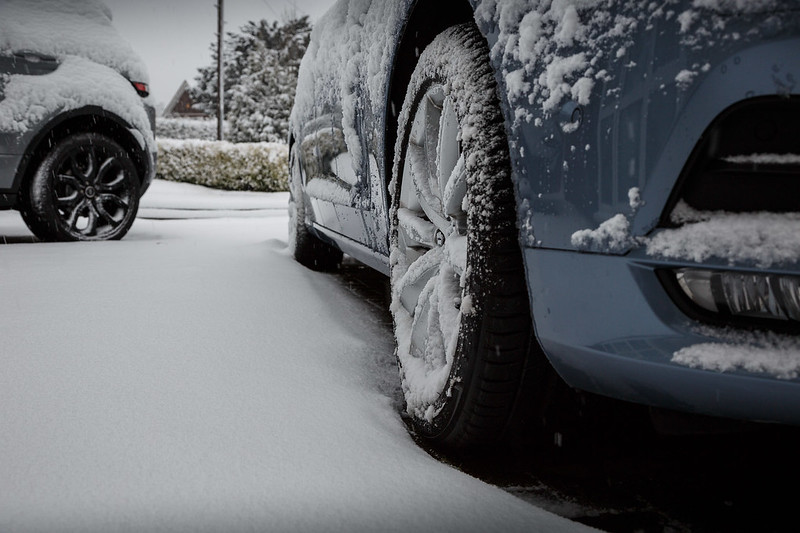
Bad weather comes round every year, yet it always seems to catch UK drivers out. Aa short checklist ahead of the cold snap makes all the difference when heavy snow finally falls.
Take extra care on wet and icy roads
Stopping distances double in the wet and can quadruple on ice. When conditions are poor, leave more space, brake earlier and ease off the pace- even when you’re running late. Visibility also drops sharply after dark, so keep your windscreen clean inside and out and top up your screen wash.
Keep an emergency kit in the car
Breakdowns spike in cold weather, so it’s worth carrying the basic: water, snacks, a blanket, a torch and a phone charger. Save your breakdown provider’s number to your phone before you need it. The UK government’s winter driving checklist (https://www.gov.uk/government/news/make-time-for-winter--2) is a useful reference for what else to pack.
Winter tyres: what they are and how they work
Winter tyres aren’t just for snow and ice. They’re engineered for grip in cold, wet and slushy conditions too. Once the temperature drops below 7 °C, winter tyres stop shorter than standard (summer) tyres – which covers a large part of the British winter.
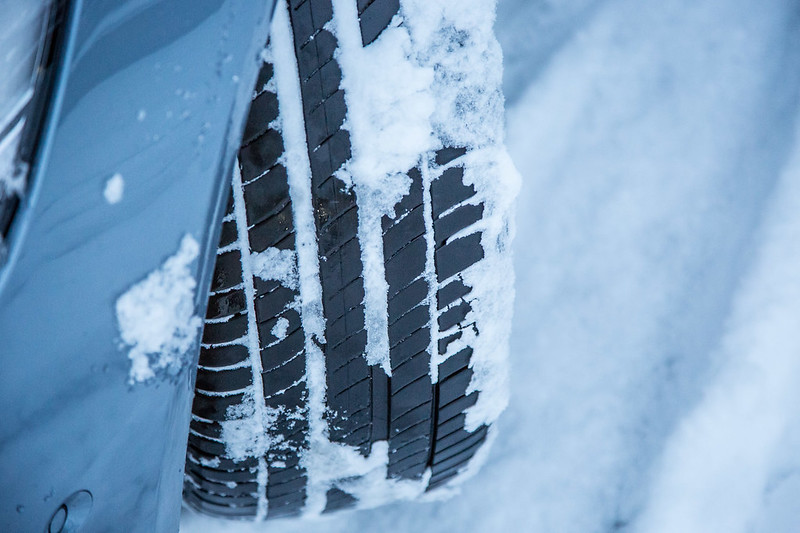
At a glance, a winter tyre looks much like a summer one. The differences are in the details:
- Softer rubber compound that stays flexible in the cold and generates heat for better traction.
- Extra sipes and grooves the bit into slippery surfaces.
- A tread pattern optimised to clear slush and snow quickly.
For balanced, predictable handling, always fit winter tyres to all four wheels. Mixing winter and summer tyres across axels can unsettle the car and make it less safe.
Not sure which winter tyres suit your car and budget? You can compare winter tyres from major UK retailers and fitters (tyre runner winter page) in couple clicks and get independent recommendations – no brand bias, just the right tyre for your vehicle.
Do you legally need winter tyres in the UK?
There’s currently no legal requirement to fit winter tyres in the UK. They’re a safety choice, not a legal one.
The picture changes the moment you drive abroad. Many European counties make winter tyres mandatory for set months of the year, typically October to March. Some insurers also ask to be notified when you fit winter tyres- worth a quick check (https://www.uniroyal-tyres.com/car/tyre-guide/winter-care/winter-tyres-mandatory), as failing to tell them could invalidate a claim.
Can you use winter tyres all year round?
You legally can, but you shouldn’t. In warmer weather the softer compound works against you: gain and traction drop, so you’re actually less safe than on standard tyres. Winter tyres also wear far more quickly in the heat, meaning you’ll replace them sooner.
Swapping tyres roughly every six months is safer and, over time, more cost-effective.
Check your tread depth before winter hits
Tread depth matters year-round, but it’s critical when the roads is wet or icy and every bit of grip counts. The UK legal minimum is 1.6mm across the central the central three-quarters of the tyre, all the way around. Many safety experts recommend replacing well before that in winter.
If your tread is at or near the limit at any point, replace the tyre as soon as possible. Not sure how to measure it? Our guide on how to check your tread depth (blog) walks you through the 20p test and what to look for.
Snow socks vs snow chains: which do you need?
Both add grip when there’s snow on the ground, and both are legal in the UK – but they suit different situations.
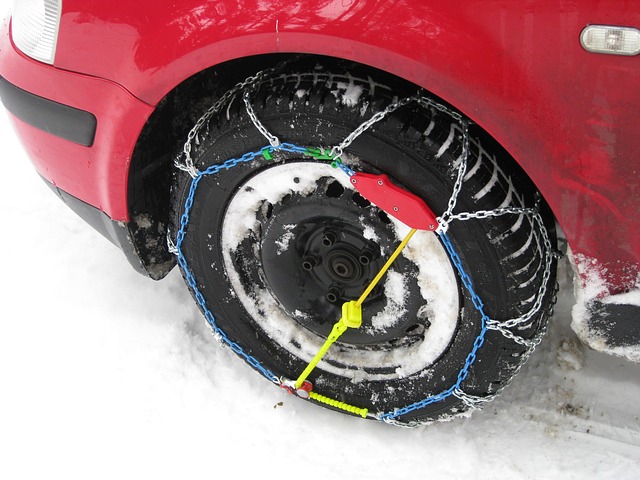
- Snow socks are fabric covers that slip over the driving wheels. They’re quick to fit, compact to store and ideal for occasional UK snow.
- Snow chains offer maximum grip in deep, heavy snow and are a worthwhile investment for Alpine trips or genuinely remote roads.
Thee catch with both: once you reach clear tarmac you must remove them, which can be inconvenient on mixed routes. For most UK drivers, snow socks are the more practical choice; if you’re heading across Europe in deep winter, pack chains.
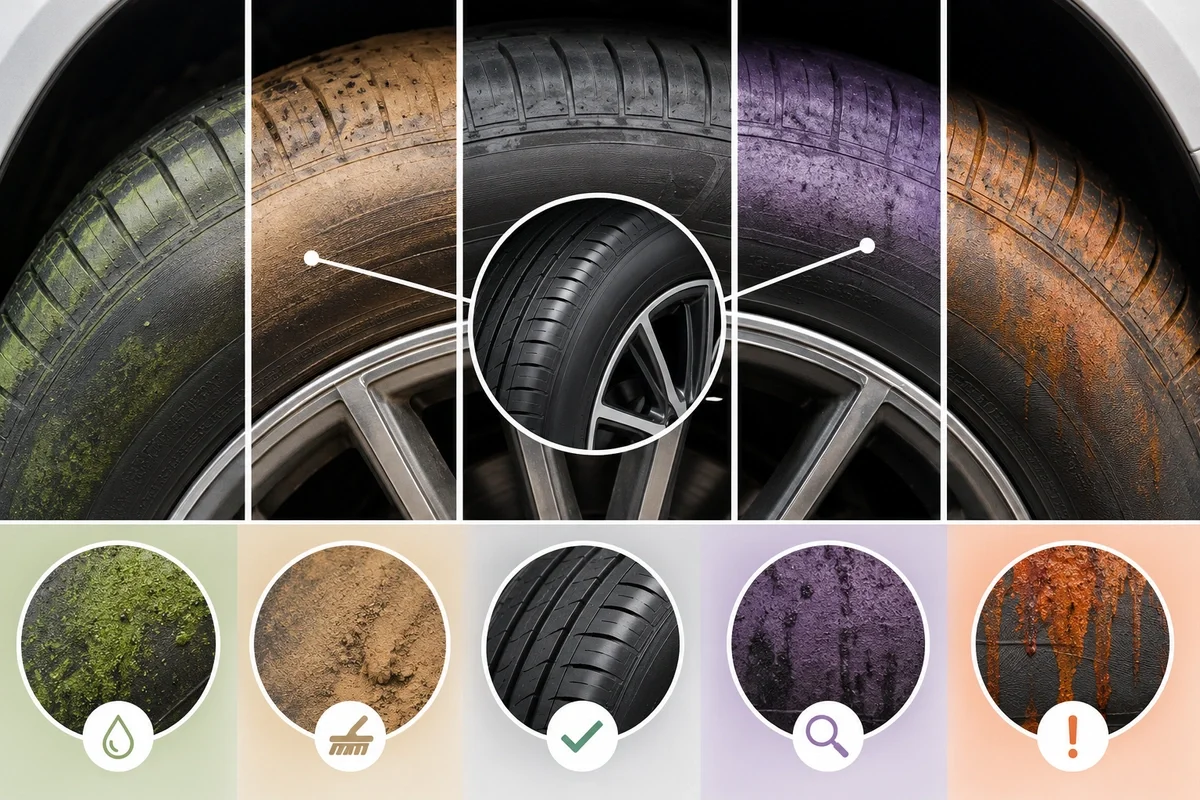
How to store your second set of tyres
The biggest thing that puts drivers off seasonal swaps is where to keep (blog) the spare set. Tyres need a cool, dry place out of direct sunlight – not left outside.
A few practical options and tips:
- Use a fitter’s storage service. Many tyre fitters store your off-season set for a small fee, which solves the space problem entirely.
- Consider tyre rental if it’s available locally – borrow winter tyres for the season, then swap back.
- Label each tyre with the wheel position it came from. Refitting in a different position next time evens out wear and extends tyre life.
- Wash and dry your tyres before storing them.
In most cases you won’t need aa second set of wheels- just swapping the tyres is enough. The exception is very large wheels with low-profile summer tyres, where winter tyres’ taller sidewalls can be a tight fit.
Driving abroad this winter? Know the local laws
Rules very widely from country to country, and sometimes between regions within the same country. If you’re hiring a car, it may come with the correct tyres for the season – but never assume. Always check the tyre and the local requirements before you set off.
Two things regularly catch UK drivers out:
- Minimum tread depth differs abroad. A tyre at 2.0mm is road-legal in the UK but illegal in Austria, where the winter minimum is 4.0mm.
- Some countries mandate extra kit, such s carrying snow chains or a shovel, with fines for non-compliance.
Before any winter trip, confirm the mandatory-tyre dates, tread rules and equipment requirements for every country and region on your route.
Winter tyres FAQ
At what temperature should I switch to winter tyres? As a rule of thumb, fit winter tyres once average temperatures fall below 7 °C. In the UK that’s usually from around late October to March.
Are winter tyres a legal requirement in the UK? No. Winter tyres are optional in the UK, but they can noticeably shorten stopping distance in cold, wet and icy conditions.
Do I need winter tyres on all four wheels? Yes. Fitting them to all four wheels keeps the car balanced and predictable. Mixing winter and summer tyres can make handling less safe.
What’s the legal tread depth for tyres in winter? The UK minimum is 1.6mm, but more tread is strongly recommended in winter for better grip. Replace tyres approaching the limit before the cold sets in.
Snow socks or snow chains – which is better? Snow socks are easier to fit and ideal for occasional UK snow. Snow chains give more grip in deep snow and suit European or mountain trips.
Stay safe on the roads this winter
Get your winter tyres fitted, run through the pre-winter checks and keep an emergency kit in the boot. A little preparation now means you’ll be ready the moment the roads turn- and summer will be back before you know it.