Checking your Peugeot 407 tyre pressure
Two minutes at home or on a garage forecourt is all it takes.
Find your pressure
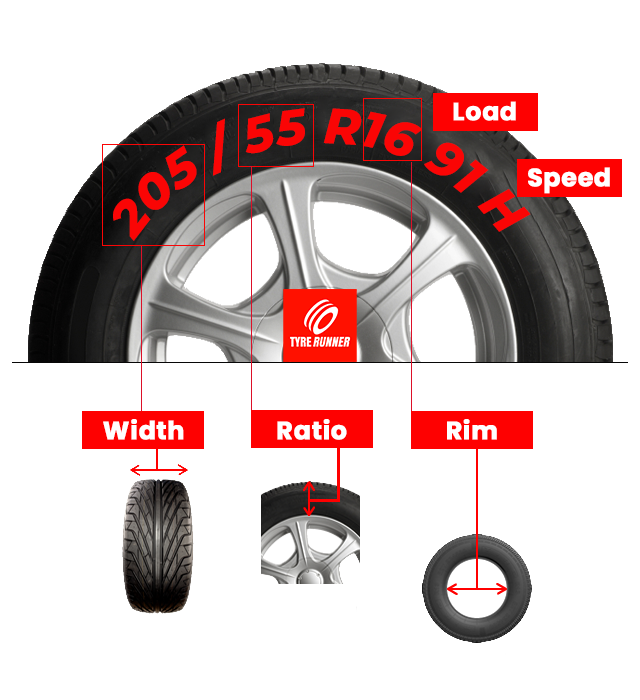
Look up your tyre size in the pressure chart, or check the sticker inside the driver's door jamb or fuel filler flap.
Check the tyres cold
Recommended figures are cold pressures — measure before driving, or at least a couple of hours after a journey.
Top up all four monthly
Check every tyre (and the spare) once a month and before long trips, then refit the valve caps securely.
Recommended pressures for your Peugeot 407
Cold inflation pressures as recommended by Peugeot. Use the laden figures when the car is fully loaded with passengers or luggage.
| Tyre size | Front | Front (loaded) | Rear | Rear (loaded) | Compare tyre deals |
|---|---|---|---|---|---|
| 205/60 R16 92V 407 | 36 psi248 kPa | 36 psi248 kPa | 33 psi228 kPa | 41 psi283 kPa | |
| 205/60 R16 92V 407 COUPE | 36 psi248 kPa | 36 psi248 kPa | 33 psi228 kPa | 41 psi283 kPa | |
| 205/60 R16 92H 407 EXECUTIVE | 36 psi248 kPa | 36 psi248 kPa | 33 psi228 kPa | 41 psi283 kPa | |
| 205/60 R16 92H 407 S | 36 psi248 kPa | 36 psi248 kPa | 33 psi228 kPa | 41 psi283 kPa | |
| 205/60 R16 96W 407 S | 32 psi221 kPa | 32 psi221 kPa | 32 psi221 kPa | 32 psi221 kPa | |
| 205/60 R16 92H 407 SE | 36 psi248 kPa | 36 psi248 kPa | 33 psi228 kPa | 41 psi283 kPa | |
| 205/60 R16 92V 407 SE | 36 psi248 kPa | 36 psi248 kPa | 33 psi228 kPa | 41 psi283 kPa | |
| 205/60 R16 92V 407 SPORT | 38 psi262 kPa | 38 psi262 kPa | 33 psi228 kPa | 41 psi283 kPa | |
| 205/60 R16 92H 407 SR | 38 psi262 kPa | 38 psi262 kPa | 33 psi228 kPa | 41 psi283 kPa | |
| 205/60 R16 92H 407 SW | 32 – 38 psi221 – 262 kPa | 32 – 38 psi221 – 262 kPa | 32 – 33 psi221 – 228 kPa | 32 – 41 psi221 – 283 kPa | |
| 205/60 R16 92V 407 SW | 36 psi248 kPa | 36 psi248 kPa | 33 psi228 kPa | 41 psi283 kPa | |
| 215/55 R17 94W 407 | 36 psi248 kPa | 36 psi248 kPa | 33 psi228 kPa | 41 psi283 kPa | |
| 215/55 R17 94W 407 COUPE | 36 psi248 kPa | 38 psi262 kPa | 33 psi228 kPa | 41 psi283 kPa | |
| 215/55 R17 94W 407 EXECUTIVE | 38 psi262 kPa | 38 psi262 kPa | 35 psi241 kPa | 41 psi283 kPa | |
| 215/55 R17 94W 407 GT | 38 psi262 kPa | 38 psi262 kPa | 35 psi241 kPa | 41 psi283 kPa | |
| 215/55 R17 94W 407 HDI | 36 psi248 kPa | 36 psi248 kPa | 33 psi228 kPa | 41 psi283 kPa | |
| 215/55 R17 94W 407 SE | 38 psi262 kPa | 38 psi262 kPa | 35 psi241 kPa | 41 psi283 kPa | |
| 215/55 R17 94W 407 SPORT | 38 psi262 kPa | –– | 38 psi262 kPa | –– | |
| 215/55 R17 94W 407 SW | 38 psi262 kPa | 38 psi262 kPa | 35 psi241 kPa | 41 psi283 kPa | |
| 235/45 R18 98Y 407 | 36 psi248 kPa | 38 psi262 kPa | 33 psi228 kPa | 41 psi283 kPa | |
| 235/45 R18 98Y 407 COUPE | 36 psi248 kPa | 38 psi262 kPa | 33 psi228 kPa | 41 psi283 kPa | |
| 235/45 R18 98Y 407 GT | 38 psi262 kPa | 38 psi262 kPa | 38 psi262 kPa | 41 psi283 kPa | |
| 235/45 R18 98Y 407 SW | 38 psi262 kPa | 38 psi262 kPa | 38 psi262 kPa | 41 psi283 kPa | |
| 235/40 R19 96Y 407 COUPE | 38 psi262 kPa | –– | 35 psi241 kPa | –– |
No pressures found for that combination — try “All sizes” or a different variant.
Always double-check against the tyre placard inside the driver's door or your Peugeot handbook — pressures can vary by exact specification and year.
Time for new tyres on your Peugeot 407?
Losing pressure fast or tread wearing low? Compare fully-fitted Peugeot 407 tyre prices from every major UK retailer and trusted local garages — fitted at a centre near you or on your driveway.
The right pressure pays for itself
Tyres naturally lose around 1–2 psi a month, and more in cold weather — so even careful drivers end up under-inflated. Running your 407 below Peugeot's recommended pressure increases rolling resistance, which means more fuel burned, faster shoulder wear and longer braking distances in the wet.
Over-inflating isn't the answer either: too much air shrinks the tyre's contact patch, wearing the centre of the tread and making grip and ride quality worse. The recommended figures in the chart are the sweet spot — and if you're carrying a full load of passengers or luggage, switch to the laden values before you set off.
How pressure shapes your grip on the road
The red zones are where a mis-inflated tyre carries the load — and where it wears out first.
Tyre pressure questions, answered
What tyre pressure should a Peugeot 407 be?
Where do I find the recommended pressure on the car?
When should I use the laden pressures?
What's the difference between psi, bar and kPa?
How often should I check my tyre pressures?
Contact our tyre specialists
Do you have a non-standard tyre size or just not sure of the lingo? That is what we are here for! Get in touch by email or live chat for the best independent help.